
LineShine named world’s fastest supercomputer, surpassing El Capitan after nine-year Chinese absence from top spot
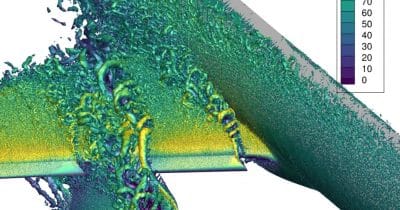
China's LineShine supercomputer has reclaimed the world's fastest supercomputer title, surpassing the U.S. El Capitan and ending a nine-year absence from the top spot. This development signals accelerating Chinese capabilities in high-performance computing and AI infrastructure, with potential implications for global technology competition and security frameworks.
LineShine's ascension to the top of the supercomputer rankings represents a significant geopolitical shift in computing infrastructure dominance. China's return to the number-one position after nine years signals substantial investments in domestic semiconductor and computing technology, particularly relevant given U.S. export restrictions on advanced chip technology. The timing reflects broader efforts to achieve technological self-sufficiency in critical computing domains.
Historically, supercomputer leadership correlates with advantages in AI model training, climate modeling, and scientific research capabilities. China's previous dominance in the Top 500 list ended due to U.S. sanctions and export controls implemented since 2015, which restricted access to cutting-edge components. LineShine's emergence suggests Chinese manufacturers have either developed indigenous alternatives or found workarounds to maintain competitive performance tiers.
For the AI and cryptocurrency sectors, this development carries mixed implications. Enhanced Chinese AI capabilities could accelerate innovations in machine learning and blockchain optimization, but also raise concerns about compute centralization and geopolitical dependencies. Crypto markets sensitive to regulatory scrutiny may perceive concentrated computing power as a risk factor, particularly if state-controlled infrastructure influences blockchain validation or AI-driven trading strategies.
The broader industry should monitor whether this represents a sustainable technological breakthrough or a temporary achievement dependent on specific architectural choices. If LineShine demonstrates long-term viability, expect intensified global competition in high-performance computing and potentially accelerated decentralization efforts in AI and crypto communities seeking to reduce geographic concentration risks.
- →China regains world's fastest supercomputer ranking after nine-year absence, signaling advanced domestic computing capabilities
- →LineShine's success likely reflects alternative semiconductor sourcing or indigenous chip development amid U.S. export restrictions
- →Concentrated supercomputing power raises questions about AI research equity and blockchain validation decentralization
- →U.S.-China technology competition intensifies, potentially accelerating investment in distributed computing infrastructure
- →Crypto and AI communities may prioritize geographical diversification to reduce reliance on any single nation's computing dominance