
Cisco CEO says he’s the fastest messenger on his team—and hires people with the same urgency and ‘desire to move’
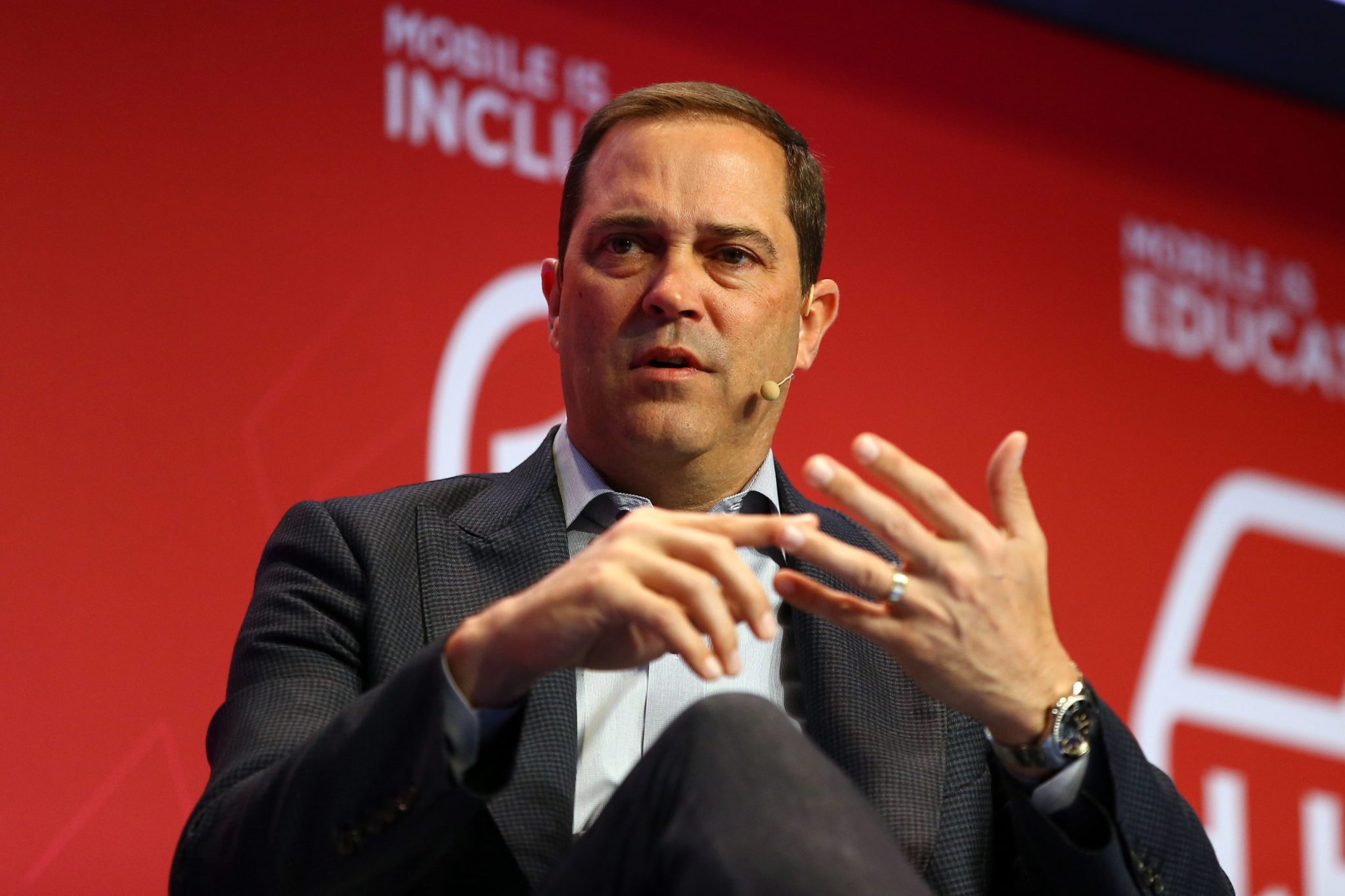
Cisco CEO Chuck Robbins emphasizes rapid communication and decision-making as core leadership values, actively hiring talent who demonstrate similar urgency and drive to move quickly. This management philosophy reflects broader corporate trends toward agility in competitive technology markets.
Robbins' emphasis on rapid-fire communication and speed-driven hiring practices signals a corporate culture prioritizing execution velocity over deliberation. This leadership approach has become increasingly common among technology executives navigating compressed market cycles where competitive advantages erode quickly. The CEO's explicit commitment to setting the pace for organizational responsiveness suggests Cisco recognizes that institutional inertia poses a significant competitive threat in enterprise networking and cybersecurity markets.
The emphasis on hiring for 'desire to move' reflects changing workforce dynamics where technical competence alone no longer guarantees organizational fit. Technology companies now compete for talent across multiple dimensions—compensation, autonomy, and cultural alignment around execution speed. Robbins' public articulation of these values serves as both cultural reinforcement and a talent recruitment signal to prospective employees evaluating potential employers.
For Cisco's market position, this management philosophy carries operational implications. Faster decision-making cycles can accelerate product development and market response, but may introduce risks if velocity compromises thorough technical vetting or security validation—critical concerns for enterprise infrastructure software. The approach also shapes organizational culture, potentially attracting ambitious talent while potentially filtering out methodical problem-solvers who excel in complex system design.
Investors should monitor whether this cultural emphasis translates to measurable improvements in Cisco's innovation pipeline and market share gains. The success of velocity-centric leadership depends on whether the organization maintains quality standards alongside speed, particularly in infrastructure products where reliability failures carry significant customer costs.
- →Cisco CEO prioritizes rapid communication and hiring for speed, treating urgency as a core organizational value
- →This reflects broader technology industry shift toward velocity-driven leadership in competitive enterprise markets
- →Fast decision-making can accelerate product development but requires balancing speed with quality assurance
- →The approach signals talent recruitment strategy emphasizing cultural fit around execution pace
- →Success depends on maintaining technical rigor while accelerating organizational responsiveness