
Court strikes down $100K fee for new H-1B visa applications
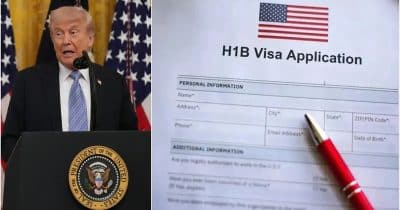
A federal court has struck down a $100,000 fee imposed on new H-1B visa applications, a decision that reduces hiring costs for technology companies seeking to recruit foreign talent. The ruling is expected to lower barriers to international talent acquisition and potentially accelerate innovation and growth in the US tech sector.
The court's decision to eliminate the $100,000 H-1B visa fee represents a significant regulatory shift affecting the technology labor market. This fee, which was implemented as a compliance mechanism, created substantial financial friction for companies seeking to hire specialized foreign workers. By removing this barrier, the court has effectively reduced operational costs for tech firms during a period when competition for skilled talent remains intense globally.
The H-1B visa program has long been central to how US technology companies access specialized talent in areas like software engineering, data science, and infrastructure development. The $100,000 fee served as a de facto tax on foreign hiring, creating incentives for companies to either relocate operations overseas or reduce their recruitment efforts. The fee's elimination suggests judicial skepticism about whether such costs effectively achieve their stated policy objectives.
For the technology industry, this decision lowers hiring friction at a critical moment when AI development and other advanced computing fields face acute talent shortages. Companies can now allocate capital previously spent on visa fees toward actual employee compensation and development, potentially making US positions more competitive against international opportunities. This is particularly relevant for blockchain and cryptocurrency-adjacent tech companies that rely heavily on specialized engineering talent.
The broader implications extend to innovation policy and global talent competition. If the US makes it easier for tech firms to access international talent, it reinforces America's position as a destination for global technical expertise. However, domestic workforce advocacy groups may challenge this decision, creating ongoing regulatory uncertainty. Stakeholders should monitor potential legislative responses and whether this ruling influences other visa-related fees or employment-based immigration policies.
- →Federal court eliminated $100,000 H-1B visa fee, reducing hiring costs for tech companies
- →Decision makes US tech positions more competitive for international talent recruitment
- →Lower visa compliance costs frees capital for employee compensation and development
- →Ruling strengthens America's position in global competition for specialized technical talent
- →Future legislative challenges likely as workforce advocates push back on immigration policy