
EIA projects Strait of Hormuz traffic won’t normalize until early 2027
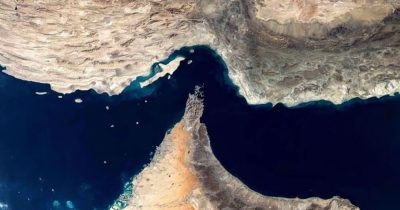
The U.S. Energy Information Administration projects that shipping traffic through the Strait of Hormuz will not return to normal conditions until early 2027, signaling prolonged disruption in one of the world's most critical oil chokepoints. This extended timeline for normalization poses significant risks to global oil supplies and energy market stability.
The Strait of Hormuz serves as a critical passage for approximately one-third of global maritime oil trade, making disruptions to this waterway a matter of substantial geopolitical and economic importance. The EIA's projection that normalization will extend into early 2027 indicates persistent security challenges, regional tensions, or infrastructure damage that prevents the resumption of normal shipping patterns. This extended timeline reflects the severity of current disruptions, whether stemming from military conflicts, piracy concerns, or strategic blockades affecting regional stability.
The impact on global energy markets is multifaceted. Prolonged disruptions to Strait of Hormuz traffic create upward pressure on oil prices due to supply constraints and increased shipping costs. This inflationary effect cascades through energy-dependent economies and increases operational costs for industries reliant on stable fuel supplies. Energy market volatility typically influences broader macroeconomic conditions and investor risk sentiment across asset classes, including cryptocurrency markets that often correlate with traditional commodity volatility during periods of uncertainty.
For traders and investors, this projection warrants attention to energy commodity prices, geopolitical risk premiums, and potential broader economic implications. Companies with exposure to oil-dependent supply chains face extended periods of elevated costs and logistical uncertainty. The extended timeline also suggests that alternative energy infrastructure, renewable capacity expansion, and strategic petroleum reserve management will become increasingly important for energy-dependent nations seeking to mitigate supply risks during this disruption period.
- →EIA projects Strait of Hormuz shipping won't normalize until early 2027, extending disruption timelines significantly.
- →Prolonged disruptions threaten global oil supplies and increase energy costs across dependent economies.
- →Oil price volatility from supply constraints may influence broader financial market sentiment and cryptocurrency movements.
- →Extended disruption timelines pressure governments and industries to accelerate alternative energy infrastructure investments.
- →Geopolitical tensions underlying the disruption remain unresolved, creating sustained uncertainty for energy markets.