GeneralBearishCrypto Briefing · Apr 20🔥 8/10
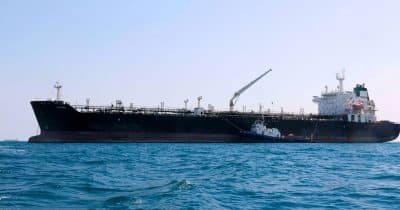
📰Escalating tanker attacks in the Persian Gulf amid US-Iran tensions threaten to disrupt global oil supplies and create market volatility. The geopolitical crisis has broader implications for energy prices and macroeconomic stability, with potential ripple effects across asset classes including cryptocurrencies.
GeneralBearishCrypto Briefing · Apr 18🔥 8/10
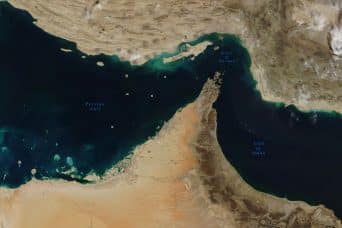
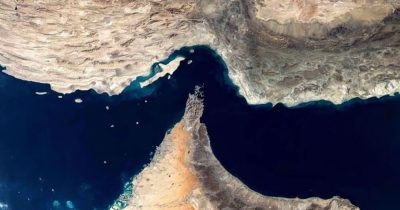
📰Escalating tensions in the Strait of Hormuz, where Iran's IRGC has issued warnings to vessels, pose a significant threat to global shipping routes and energy markets. Such geopolitical disruptions could impact commodity prices, energy costs, and broader macroeconomic conditions that influence cryptocurrency and traditional asset valuations.
GeneralBearishCrypto Briefing · Apr 18🔥 8/10
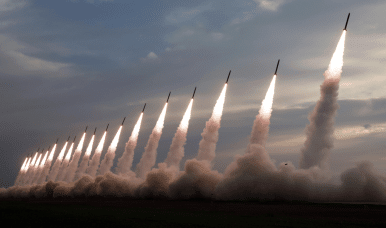
📰Escalating conflict in Iran threatens critical energy infrastructure, potentially triggering prolonged global economic disruption. The geopolitical instability could reshape energy markets, influence monetary policy responses, and create cascading effects across cryptocurrency and traditional financial markets.
GeneralBearishCrypto Briefing · Apr 18🔥 8/10
📰Ukraine is targeting Russian oil infrastructure, threatening approximately 40% of Russia's oil export capacity. This escalation could exacerbate global oil supply constraints, potentially driving up crude prices and prompting strategic responses from other major oil producers, with ripple effects across energy markets and commodity-linked assets.
GeneralBearishCrypto Briefing · Apr 18🔥 8/10
📰Ukrainian drone strikes are costing Russia approximately $100 million daily in lost oil revenue through disruptions to energy exports. These supply disruptions could tighten global oil markets and potentially drive crude prices higher by June, with cascading effects on energy-dependent economies and commodity markets.
GeneralBearishFortune Crypto · Apr 15🔥 8/10
📰Global oil supplies face potential systemic shortages in the coming weeks, creating significant macroeconomic uncertainty. Trump's signals toward ending an ongoing war suggest geopolitical developments that could stabilize energy markets and reduce inflation pressures affecting broader financial markets.
GeneralBearishBlockonomi · Apr 13🔥 8/10
📰Crude oil prices have surged past $104 per barrel following a Strait of Hormuz blockade, with JPMorgan warning that U.S. gasoline prices could reach $5 per gallon. This energy market disruption has significant implications for inflation, transportation costs, and broader economic stability.
GeneralBearishBlockonomi · Mar 11🔥 8/10
📰Gas prices have surged to $3.54 per gallon, reaching an 18-month high due to disruptions in oil flow through the Strait of Hormuz caused by U.S.-Iran conflict. This geopolitical crisis is creating significant supply chain disruptions in global energy markets.
GeneralNeutralCrypto Briefing · Jun 257/10
📰Persian Gulf crude oil exports have recovered to 75% of pre-war levels following a US-Iran deal, signaling partial stabilization of global energy markets. However, the rebound underscores persistent geopolitical volatility and fragility in the world's critical energy infrastructure.
GeneralBearishCrypto Briefing · Jun 25🔥 8/10
📰Iran has ordered ships to reverse course in the Strait of Hormuz amid escalating geopolitical tensions, creating risks to global energy security and the stability of international trade routes. This development underscores the vulnerability of critical infrastructure to regional conflicts and their potential spillover effects on global markets.
GeneralBearishCrypto Briefing · Jun 25🔥 8/10
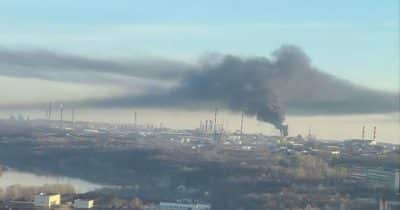
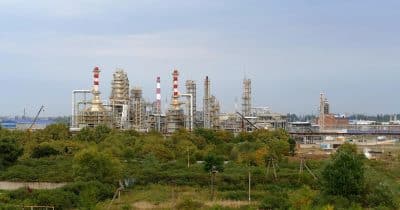
📰Drone strikes targeted Rosneft's oil refineries in Ufa, Russia, exposing critical vulnerabilities in the nation's energy infrastructure. The attacks carry implications for global oil markets, geopolitical stability, and energy security dynamics.
GeneralBearishCrypto Briefing · Jun 257/10
📰Iraq is considering withdrawing from OPEC if the organization does not significantly increase its oil production quota. This potential exit could destabilize global oil markets, leading to price volatility that would indirectly increase operational costs for cryptocurrency miners who depend on affordable electricity.
GeneralBearishCrypto Briefing · Jun 247/10
📰India's weak monsoon season threatens to destabilize the country's $300 billion agricultural sector, potentially triggering global food inflation and disrupting supply chains. The shortfall in rainfall poses risks to economic stability and complicates monetary policy decisions for central banks worldwide.
GeneralBearishCrypto Briefing · Jun 22🔥 8/10
📰Escalating tensions in Iran are accelerating China's energy transition away from oil dependency, with significant implications for global crude markets and potential spillover effects into cryptocurrency and digital asset markets that correlate with macroeconomic energy shifts.
GeneralBearishFortune Crypto · Jun 217/10
📰AccuWeather has warned of conditions favoring a multi-year drought potentially resembling the Dust Bowl era, threatening crop yields and water supplies across rural America. This environmental crisis compounds existing economic pressures already affecting U.S. farms, with significant implications for agricultural productivity and food security.
GeneralNeutralCrypto Briefing · Jun 197/10
📰A US-Iran peace deal has increased oil supply flows through the Strait of Hormuz, causing oil prices to decline. The agreement may provide temporary market stabilization, though underlying geopolitical uncertainties remain that could impact future negotiations and broader economic conditions.
GeneralBullishCrypto Briefing · Jun 187/10
📰Switzerland is hosting US-Iran talks on Friday at the Bürgenstock resort, a diplomatic engagement that could reduce Middle East tensions and stabilize global oil markets. Such geopolitical easing typically improves investor sentiment toward risk assets, including cryptocurrencies.
GeneralBearishCrypto Briefing · Jun 11🔥 8/10
📰Russian crude oil production has fallen to its lowest level in a year following sustained Ukrainian drone strikes targeting oil infrastructure. The reduction in supply threatens to create global energy market disruptions, potentially affecting oil prices and broader economic stability.
GeneralBearishCrypto Briefing · Jun 107/10
📰Oil tanker crossings through the Suez Canal surged nearly 30% in April as geopolitical tensions in the Strait of Hormuz redirect global shipping routes. This significant shift in energy logistics disrupts commodity price stability and has downstream effects on inflation and macroeconomic conditions that influence cryptocurrency and traditional markets.
GeneralBearishCrypto Briefing · Jun 107/10
📰Kazakhstan has reduced its 2026 oil production forecast to 98 million tons due to pipeline disruptions and field operational challenges. This reduction threatens global oil supply stability and could elevate prices while complicating Kazakhstan's economic diversification strategy.
GeneralBearishCrypto Briefing · Jun 107/10
📰China's factory-gate inflation reached a nearly 4-year high in May, driven by surging commodity prices. This development threatens to reverse global deflationary trends and complicate central banks' efforts to control inflation worldwide, with potential ripple effects across crypto and traditional markets.
GeneralBearishCrypto Briefing · Jun 97/10
📰China's export restrictions on rare earth elements, particularly yttrium, are creating supply chain disruptions that drive up global prices. The controls expose critical vulnerabilities in international manufacturing and technology sectors, prompting countries and companies to pursue diversification and alternative sourcing strategies.
GeneralBearishCrypto Briefing · Jun 97/10
📰The US Energy Information Administration reports that oil inventories are declining toward multi-decade lows, a development that could intensify inflationary pressures and complicate monetary policy decisions. This supply constraint presents both risks through potential fuel shortages and opportunities for refiners operating in a tightened market.
GeneralBearishCrypto Briefing · Jun 9🔥 8/10
📰The U.S. Energy Information Administration projects that shipping traffic through the Strait of Hormuz will not return to normal conditions until early 2027, signaling prolonged disruption in one of the world's most critical oil chokepoints. This extended timeline for normalization poses significant risks to global oil supplies and energy market stability.
GeneralBearishCrypto Briefing · Jun 97/10
📰OPEC+ approved a production quota increase of 188,000 barrels per day for July, but analysts warn the modest hike may prove insufficient to alleviate global oil supply constraints. The decision risks sustaining elevated oil prices and inflationary pressures that could destabilize broader economic markets and cryptocurrency valuations.