
Ukraine drone strikes cost Russia $100M daily in oil revenue
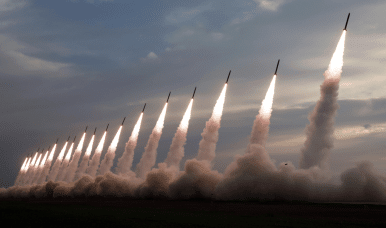
Ukrainian drone strikes are costing Russia approximately $100 million daily in lost oil revenue through disruptions to energy exports. These supply disruptions could tighten global oil markets and potentially drive crude prices higher by June, with cascading effects on energy-dependent economies and commodity markets.
The escalating campaign of Ukrainian drone strikes targeting Russian oil infrastructure represents a significant shift in how modern conflicts impact global energy markets. By directly attacking export terminals and refineries, Ukraine has found a force multiplier that doesn't require traditional military superiority—instead leveraging precision strikes to disrupt Moscow's primary revenue source. This $100 million daily loss compounds over time and constrains Russia's ability to fund its military operations while simultaneously creating vulnerabilities in global energy supply chains.
Historically, oil supply disruptions from geopolitical conflicts have triggered price volatility and inflationary pressures across developed economies. The ongoing war in Ukraine has already reshaped energy markets, with Europe scrambling to replace Russian gas and oil. These drone strikes intensify that pressure by directly reducing available supply rather than merely restricting trade flows through sanctions. The projected tightening through June suggests market expectations for continued disruptions rather than near-term resolution.
For cryptocurrency and digital asset markets, this development carries indirect but meaningful implications. Energy costs drive mining profitability and transaction throughput, while crude oil price spikes typically correlate with broader inflation concerns that affect risk asset valuations. Higher oil prices could strengthen central bank hawkishness and potentially delay rate cuts, pressuring speculative assets. Investors should monitor crude oil futures and geopolitical developments as proxies for broader macro conditions affecting crypto market sentiment and institutional capital allocation decisions.
- →Ukrainian drone strikes reduce Russian oil revenue by approximately $100 million daily, pressuring Moscow's war financing capacity.
- →Global oil supply tightening through June could drive crude prices higher and amplify inflation concerns across developed economies.
- →Energy market disruptions indirectly affect cryptocurrency markets through mining costs, transaction economics, and macro sentiment.
- →The conflict demonstrates how precision strikes on critical infrastructure can reshape global commodity markets without traditional military dominance.
- →Investors should track crude oil futures and geopolitical developments as leading indicators for broader risk asset market direction.