
Fourteen oil tankers transit Strait of Hormuz amid easing blockade signs
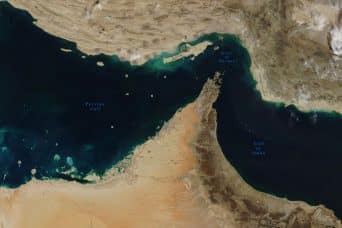
Fourteen oil tankers have transited the Strait of Hormuz as blockade pressures ease, signaling potential stabilization in global energy markets. However, persistent uncertainty continues to weigh on trader confidence and liquidity across commodities and related financial markets.
The transit of fourteen oil tankers through the Strait of Hormuz represents a meaningful development in one of the world's most critical chokepoints for global energy supply. This passage occurs amid signs that blockade conditions are easing, a significant shift given the strategic importance of this waterway, through which approximately one-third of seaborne traded oil flows. The easing of transit restrictions suggests reduced geopolitical friction in the region, at least temporarily.
Historically, disruptions to Strait of Hormuz traffic have triggered immediate commodity price volatility and broader market uncertainty. Previous blockades or threats have caused oil prices to spike, affecting inflation expectations, monetary policy decisions, and cryptocurrency valuations as investors reassess macroeconomic risk. The current easing thus represents a step toward normalization rather than escalation.
The market implications are nuanced. While the tanker transit suggests reduced near-term supply disruption risk, the article emphasizes that uncertainty persists, indicating traders remain cautious. This lingering hesitancy could suppress asset recovery and maintain elevated risk premiums across markets. For cryptocurrency investors, geopolitical stability in energy markets typically correlates with broader risk-on sentiment and institutional confidence, though the cautious tone suggests this positive signal may be partially discounted.
Looking ahead, monitoring sustained transit volumes through the Strait will be critical. If blockade easing continues and confidence returns to commodity markets, we can expect stabilization in inflation expectations and potentially more constructive conditions for risk assets, including cryptocurrencies. Conversely, any reversal in blockade conditions would likely trigger renewed volatility across markets.
- →Fourteen oil tanker transits signal potential easing of Strait of Hormuz blockade conditions
- →Persistent uncertainty limits the bullish impact on trader confidence and market liquidity
- →Geopolitical stability in energy markets influences broader risk sentiment affecting cryptocurrencies
- →Commodity supply chain normalization could support macroeconomic stabilization and institutional confidence
- →Continued monitoring of sustained transit volumes is essential for assessing geopolitical risk trajectory