
ElevenLabs revives Stan Lee with AI voice and visuals for new projects
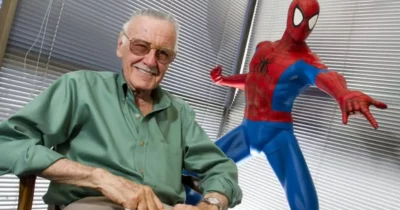
ElevenLabs has used AI to recreate Stan Lee's voice and visual likeness for new projects, sparking significant ethical debates about digital legacy rights and the commercialization of deceased celebrities' identities. The development highlights growing tensions between AI capabilities and questions of consent, ownership, and moral responsibility in the entertainment industry.
ElevenLabs' decision to digitally resurrect Stan Lee represents a watershed moment in how AI technology intersects with celebrity rights and posthumous identity management. The project demonstrates the technical maturity of voice synthesis and visual generation tools, yet simultaneously exposes regulatory and ethical gaps in how deceased individuals' likenesses can be used commercially. This initiative forces stakeholders to confront uncomfortable questions: Who owns a person's digital identity after death? Should family consent suffice, or do broader societal interests warrant protection? The precedent set here will likely influence how entertainment companies approach similar projects.
The trend reflects broader momentum in AI-driven content creation, where synthetic media increasingly blurs lines between innovation and appropriation. Previous attempts to resurrect deceased performers—from Tupac's hologram to Peter Cushing's digital appearance in Rogue One—generated similar controversies, but ElevenLabs' commercial application suggests this practice is becoming normalized rather than exceptional. This normalization occurs without clear legal frameworks governing deepfakes or synthetic identity use, leaving creators and rights holders in murky territory.
For investors and developers, the incident signals both opportunity and regulatory risk. AI voice and visual synthesis represent massive market opportunities, yet the Stan Lee case demonstrates potential reputational and legal hazards. Entertainment platforms and AI companies must navigate intellectual property claims, family objections, and potential legislation restricting synthetic celebrity content. The lack of consensus standards creates competitive advantage for early movers while exposing them to future legal challenges and public backlash if ethical considerations appear secondary to profit.
- →ElevenLabs used AI to recreate Stan Lee's voice and likeness without clear legal frameworks governing posthumous digital identity rights
- →The project highlights tension between technical capability and ethical responsibility in synthetic media creation
- →No universal standards exist for consent, compensation, or usage rights of deceased celebrities' digital likenesses
- →Similar projects will likely face increased regulatory scrutiny and potential legislation restricting synthetic identity commercialization
- →AI companies face reputational and legal risks when prioritizing innovation over ethical and family considerations