
Elon Musk tried to hire OpenAI founders to start AI unit inside Tesla
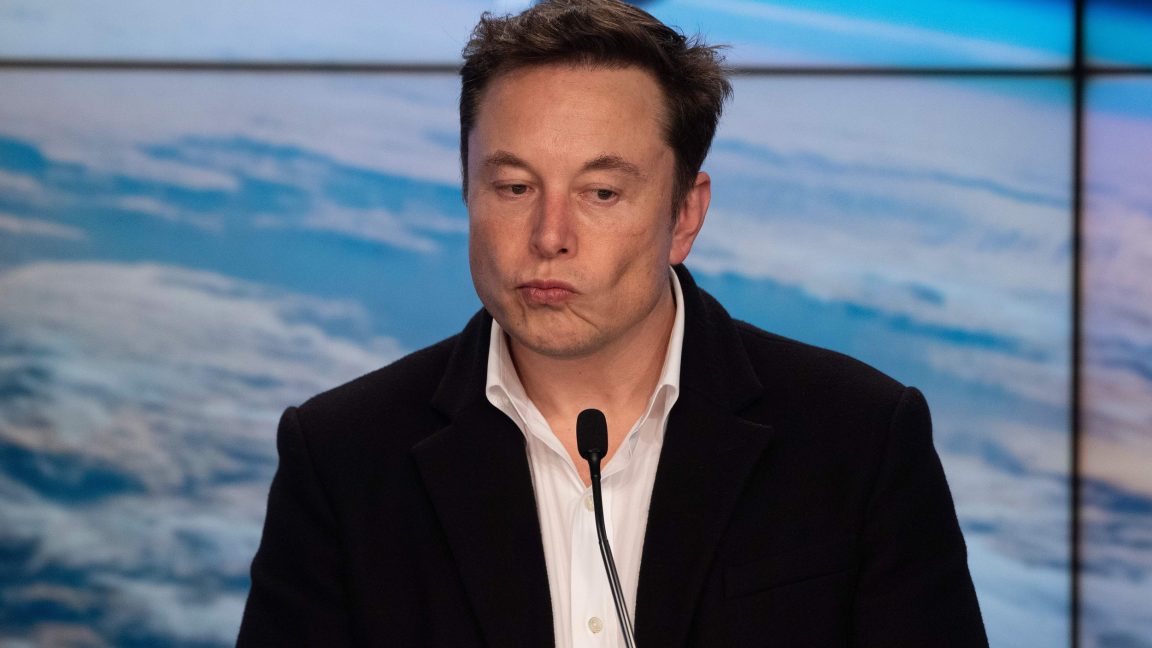
Elon Musk attempted to recruit OpenAI founders to establish an AI division within Tesla, insisting on operational control as a condition of the partnership. The failed negotiation reveals tensions between Musk's ambitions to integrate advanced AI capabilities into Tesla and the independence priorities of OpenAI's leadership.
Musk's effort to bring OpenAI's founding team into Tesla represents a strategic pivot toward consolidating cutting-edge AI talent under his direct authority. The conditional demand for control reflects Musk's consistent management philosophy—he typically requires decisive influence over mission-critical functions. This attempted acquisition of talent rather than technology suggests Musk views AI development as central to Tesla's future competitive positioning, particularly as the company expands beyond automotive manufacturing into robotics and autonomous systems.
The context matters significantly: Musk co-founded OpenAI in 2015 but departed its board in 2018, creating a historical relationship that might have facilitated negotiations. His subsequent exit from OpenAI's governance coincided with his intensifying focus on Tesla and later ventures like xAI. The timing of this recruitment attempt likely corresponds to Tesla's increasing emphasis on neural network development for full self-driving capabilities.
For the AI and tech industries, this episode demonstrates how competitive talent acquisition has become among heavyweight players. OpenAI's resistance to Musk's control condition underscores the organization's commitment to its governance structure, even when faced with a figure of Musk's influence and resources. The failure could signal that top-tier AI talent increasingly values institutional independence over individual magnates' directives.
Moving forward, watch whether Tesla accelerates internal AI hiring to compensate, or pursues alternative partnerships with AI research institutions. Musk's next moves in building AI capabilities—whether through xAI, Tesla's neural network teams, or other channels—will indicate how seriously he pursues this strategic objective.
- →Musk demanded operational control as a prerequisite for bringing OpenAI founders to Tesla's AI division
- →The recruitment failure highlights tension between Musk's leadership style and top AI talent's desire for institutional autonomy
- →Tesla's pursuit of advanced AI talent reflects broader competitive pressures in autonomous vehicle development
- →OpenAI's resistance to Musk's terms demonstrates the organization's commitment to governance independence
- →The episode signals how AI talent acquisition has become a primary battleground among tech industry leaders