
Exxon CEO: Middle East oil production could resume quickly after Hormuz reopening
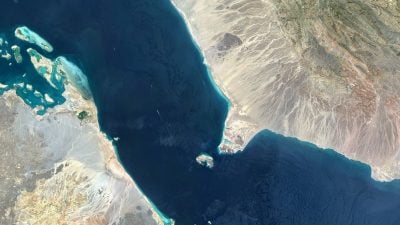
Exxon's CEO indicates that Middle East oil production could resume swiftly following the reopening of the Strait of Hormuz, potentially stabilizing global oil markets. However, prolonged disruptions to liquefied natural gas (LNG) supplies present a separate risk to energy markets and could strain supplies if extended.
The Strait of Hormuz represents a critical chokepoint in global energy infrastructure, with roughly one-third of seaborne traded oil passing through its narrow waters. When supply disruptions occur in this region, commodity markets experience immediate volatility that ripples across multiple asset classes. Exxon's assessment reflects industry confidence that production infrastructure in the Middle East remains intact and capable of rapid restart, a crucial distinction from scenarios where physical assets sustain damage. This optimism hinges on geopolitical conditions stabilizing enough to permit safe operations and shipping.
Historically, Middle East supply disruptions have triggered energy price spikes that correlate with cryptocurrency market movements, particularly Bitcoin, which investors view as inflation hedges during commodity crises. The energy sector's health directly influences macroeconomic conditions that affect risk asset valuations. Exxon's statement suggests markets may avoid prolonged energy shocks from oil supply, though this assumes political resolution occurs quickly.
The more concerning variable remains LNG disruptions, which operate on different timelines than crude oil. LNG infrastructure requires months or years to restart at full capacity once offline, creating asymmetric risk. Energy price stability supports broader economic function and reduces inflation pressures, benefiting growth-sensitive assets including technology stocks and certain cryptocurrency segments. Traders should monitor Hormuz shipping reports and LNG facility status updates as leading indicators of energy market trajectory, as sustained energy disruptions would likely trigger flight-to-safety dynamics that redirect capital from risk assets.
- →Middle East oil production could stabilize quickly if Hormuz shipping lanes reopen, supporting global energy markets.
- →LNG supply disruptions pose a longer-term threat to energy stability compared to crude oil, requiring extended recovery timelines.
- →Energy market stability directly influences macroeconomic conditions affecting cryptocurrency and growth asset valuations.
- →Geopolitical resolution in the Middle East remains the critical variable determining whether production recovery actually materializes.
- →Commodity price spikes from energy disruptions historically trigger Bitcoin and inflation-hedge asset outperformance.