
Fed’s Goolsbee cites persistent energy inflation amid Iran war impact
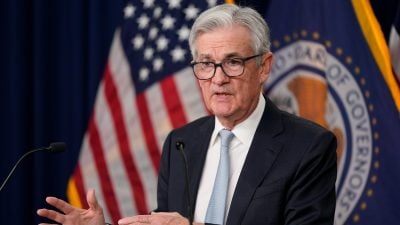
Federal Reserve official Austen Goolsbee has highlighted persistent energy inflation stemming from geopolitical tensions, particularly related to Iran, as a potential headwind for near-term rate cuts. This energy price volatility could extend inflation pressures and complicate the Fed's monetary policy trajectory, with implications for both traditional markets and cryptocurrency valuations.
Goolsbee's remarks underscore a critical challenge facing central banks: energy inflation driven by geopolitical factors operates outside traditional monetary policy levers. The Iran-related tensions referenced represent supply-side shocks that rate adjustments cannot directly address, creating a policy dilemma where cutting rates to support growth conflicts with maintaining price stability. This dynamic has historically pressured both equities and risk assets like cryptocurrencies, which tend to underperform during stagflationary environments.
Energy inflation has resurged as a primary economic concern following the relative stability of 2023-2024. Geopolitical conflicts in the Middle East directly impact global oil supplies, and any disruption cascades through energy markets worldwide. The Fed's acknowledgment signals officials recognize this external constraint on their policy flexibility, suggesting rate cut delays may persist longer than previously anticipated by markets.
For cryptocurrency investors and traders, persistent inflation reduces the appeal of risk assets and extends the higher-for-longer interest rate environment. Bitcoin and altcoins typically struggle when real yields remain elevated and macro uncertainty peaks. Additionally, energy costs directly impact mining operations, affecting network security economics and profitability margins for proof-of-work blockchains. Ethereum staking yields become more competitive relative to crypto assets during high-rate regimes.
Market participants should monitor energy price developments and Fed communications closely. Any escalation in Iran tensions could trigger oil spikes that further postpone rate cuts, while de-escalation could accelerate monetary easing expectations. The intersection of geopolitical risk and monetary policy creates elevated volatility conditions likely to persist through 2025.
- →Geopolitical energy shocks create inflation pressures independent of Fed monetary policy control
- →Persistent energy inflation may delay rate cuts beyond current market expectations
- →Higher-for-longer interest rates environments typically pressure cryptocurrency valuations
- →Mining operations face margin compression from both elevated energy costs and reduced asset appreciation
- →Iran-related geopolitical tensions remain a key macro variable to monitor for crypto market direction