
Fed’s Williams cites Iran war supply disruptions as inflation risk factor
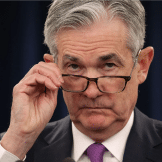
Federal Reserve official John Williams has identified geopolitical tensions involving Iran as a potential inflation risk factor that could complicate the Fed's monetary policy decisions. Supply disruptions from regional instability could reignite inflationary pressures, adding complexity to the central bank's rate-setting strategy.
John Williams, president of the Federal Reserve Bank of New York, has highlighted geopolitical risks as an emerging concern for inflation management. His comments reflect growing acknowledgment among policymakers that macroeconomic stability extends beyond traditional monetary policy levers into unpredictable geopolitical domains. Iran-related tensions carry particular significance because the region's energy infrastructure represents a critical global supply chain node; disruptions could immediately impact oil prices and downstream commodity inflation.
This development emerges as central banks navigate a complex inflationary landscape. After years of elevated price pressures following pandemic stimulus and supply chain breakdowns, stabilizing inflation remains central to Fed credibility. However, geopolitical shocks introduce variables beyond the Fed's control, forcing policymakers to incorporate tail-risk scenarios into rate projections. Williams's public acknowledgment signals that such considerations now factor into Fed communications and decision-making frameworks.
For markets, this statement carries multifaceted implications. Energy markets face heightened volatility exposure, while inflation-sensitive assets like commodities and inflation-protected securities could see increased trading activity around geopolitical developments. Cryptocurrency markets, historically sensitive to macroeconomic uncertainty and rate expectations, may experience volatility as traders reassess inflation trajectories. Risk assets generally face headwinds when geopolitical premiums increase, as investors demand higher yields to compensate for elevated uncertainty.
Investors should monitor Fed communication for shifting language around geopolitical risk premia. Future policy statements may incorporate explicit references to regional tensions, potentially justifying higher-for-longer rate policies. Market participants must track both traditional inflation data and geopolitical risk indicators to anticipate policy pivots.
- →Fed officials now explicitly cite geopolitical tensions as inflation risk factors influencing monetary policy
- →Iran region supply disruptions could reignite commodity and energy inflation pressures
- →Geopolitical risks add uncertainty to Fed rate trajectories and complicate inflation forecasts
- →Cryptocurrency and risk asset markets face volatility from geopolitical premium increases
- →Investors should integrate geopolitical monitoring into inflation and policy expectation analysis