
Fed rate cut likelihood for June 2026 declines amid Williams’ inflation comments
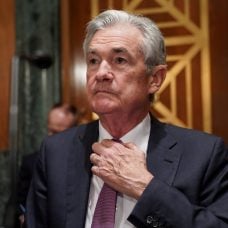
Federal Reserve official John Williams' recent inflation comments have reduced market expectations for rate cuts in June 2026, signaling the Fed may maintain a more restrictive monetary policy stance longer than previously anticipated. This shift reflects persistent inflation concerns and geopolitical economic risks that could constrain cryptocurrency and broader financial market performance.
John Williams' recent commentary on inflation dynamics has materially shifted market pricing around Federal Reserve rate cut expectations for mid-2026. Rather than the previously modeled three to four cuts, markets now price in fewer reductions, reflecting Williams' assessment that inflation pressures remain more stubborn than consensus anticipated. This recalibration matters because Fed policy directly influences asset valuations across crypto and traditional markets through discount rates and real yield expectations.
The Fed's inflation-focused rhetoric stems from resilient services-sector price growth and geopolitical tensions that complicate monetary policy transmission. Supply chain disruptions, potential trade conflicts, and regional instability create uncertainty around the inflation trajectory, forcing policymakers to adopt a more cautious forward guidance stance. Williams' comments represent institutional acknowledgment that the easy part of disinflation has concluded.
For cryptocurrency investors and traders, fewer rate cuts imply sustained higher real yields on dollar-denominated assets, increasing opportunity costs of holding non-yielding crypto positions. Bitcoin and altcoins historically perform better in declining rate environments; extended monetary restriction creates headwinds. Stablecoin yields and DeFi protocols offering dollar-denominated returns become relatively more competitive.
Market participants should monitor upcoming Fed communications for signals about rate trajectory beyond 2026. Williams' peer John Barkin and Chair Powell's future remarks will clarify whether this hawkish shift represents consensus or individual dovish concern. If inflation data accelerates further, the Fed could push cuts even further into 2027, requiring investors to reassess macro positioning.
- →Fed rate cut expectations for June 2026 have declined following Williams' inflation commentary
- →Persistent inflation pressures and geopolitical risks extend the Fed's restrictive policy timeline
- →Fewer rate cuts increase opportunity costs for holding non-yielding assets like cryptocurrency
- →Higher sustained real yields strengthen competition from dollar-denominated yield products
- →Investors should monitor Fed communications for broader consensus on post-2026 monetary policy