
Fervo Energy partners with Nvidia and Pacific Northwest National Lab to build digital twin platform for geothermal systems
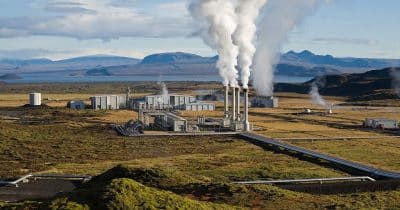
Fervo Energy is partnering with Nvidia and Pacific Northwest National Lab to develop a digital twin platform designed to optimize geothermal energy systems. The collaboration aims to significantly reduce geothermal energy production costs, making it more competitive with solar and wind while accelerating commercial deployment.
This partnership represents a strategic convergence of advanced computing, energy technology, and national research capabilities to address a critical challenge in the clean energy transition. Fervo Energy, a leader in enhanced geothermal systems (EGS), is leveraging Nvidia's AI and computing expertise alongside PNNL's geothermal research infrastructure to create sophisticated digital simulations that can model and optimize geothermal reservoirs before and during operation. Digital twin technology enables real-time monitoring and predictive optimization, potentially reducing drilling costs, improving resource recovery rates, and minimizing operational risks—historically significant barriers to geothermal scalability. The collaboration matters because geothermal energy offers baseload renewable power, yet high upfront costs and geological uncertainty have limited its deployment compared to solar and wind.
From a market perspective, this development strengthens the competitive positioning of geothermal energy within the renewable energy landscape. If the platform successfully reduces costs and improves predictability, it could unlock substantial investment in geothermal projects globally, particularly in regions with suitable geology. For Fervo Energy specifically, the partnership validates its technology approach and provides access to cutting-edge computational resources and government research credibility. Nvidia benefits by expanding its AI applications beyond traditional data centers into critical infrastructure sectors.
Looking ahead, the success of this digital twin platform will be measured by its ability to translate theoretical optimization into tangible cost reductions and deployment acceleration. Key milestones include platform deployment timelines, performance validation against actual geothermal sites, and subsequent adoption by other geothermal operators. The broader implication is that AI-driven optimization could become standard practice in renewable energy development, extending beyond geothermal to solar farms, wind installations, and grid management systems.
- →Fervo Energy, Nvidia, and PNNL are building an AI-powered digital twin platform to optimize geothermal energy systems and reduce costs
- →The technology targets geothermal's primary competitive disadvantage—high upfront costs and geological uncertainty—through predictive modeling and real-time optimization
- →Successful cost reduction could accelerate geothermal deployment and strengthen its position against solar and wind energy
- →The partnership demonstrates growing integration of AI and advanced computing into renewable energy infrastructure and development
- →Platform success will be measured by cost reduction metrics and adoption rates among geothermal developers