
FIFA denies inclusion-themed armbands at 2026 World Cup as eight stars advocate for LGBTQ rights
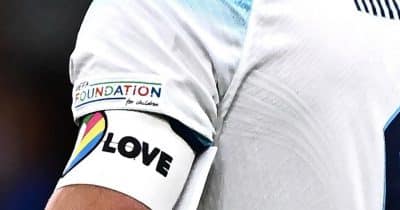
FIFA has denied players the ability to wear inclusion-themed armbands at the 2026 World Cup, despite eight national team stars publicly advocating for LGBTQ rights. The decision reveals a significant gap between FIFA's stated anti-discrimination policies and its enforcement actions on the field.
FIFA's rejection of inclusion armbands at the 2026 World Cup exposes institutional resistance to player-led advocacy efforts, even as major athletes increasingly use their platforms for social causes. Eight prominent players have publicly stated their commitment to LGBTQ rights, but FIFA's restrictive stance prevents them from expressing these values through permitted match attire. This decision contradicts FIFA's own published anti-discrimination framework and suggests the organization prioritizes uniformity and political neutrality over supporting marginalized communities.
The broader context involves years of tension between international sports federations and players seeking meaningful inclusion initiatives. Previous World Cup editions saw similar confrontations over rainbow armbands and related symbols, with FIFA consistently blocking such displays while claiming to support diversity through other channels. These other channels often lack the visibility and impact of on-field demonstrations, making the prohibition particularly problematic for advocates.
For the sports industry and sponsorships, this decision risks alienating progressive demographics and corporate sponsors committed to ESG principles. Major brands increasingly align with LGBTQ causes, creating potential friction between their values and FIFA's policies. The cryptocurrency and blockchain sectors, which have cultivated inclusive communities, might view this as a competitive advantage in sports partnerships and fan engagement.
The 2026 World Cup will test whether player coalitions can pressure FIFA into policy changes or whether the federation maintains its restrictive approach. Player unionization efforts and sponsor leverage represent the most viable paths to influence, making upcoming negotiations between now and 2026 critical indicators of institutional reform capacity.
- →FIFA banned inclusion-themed armbands at the 2026 World Cup despite player advocacy from eight national team stars
- →The decision contradicts FIFA's stated anti-discrimination policies, revealing disconnect between institutional values and enforcement
- →Player-led advocacy efforts face structural limitations when international federations restrict on-field expression
- →Sports sponsors with ESG commitments may face reputational pressure from FIFA's restrictive stance on LGBTQ inclusion
- →The 2026 World Cup will likely see continued tension between players and FIFA over diversity and inclusion measures