
U.S. Energy Sec says gas prices have likely peaked, but won’t go below $3 until 2027. Trump says he’s ‘totally wrong’ about the timeline
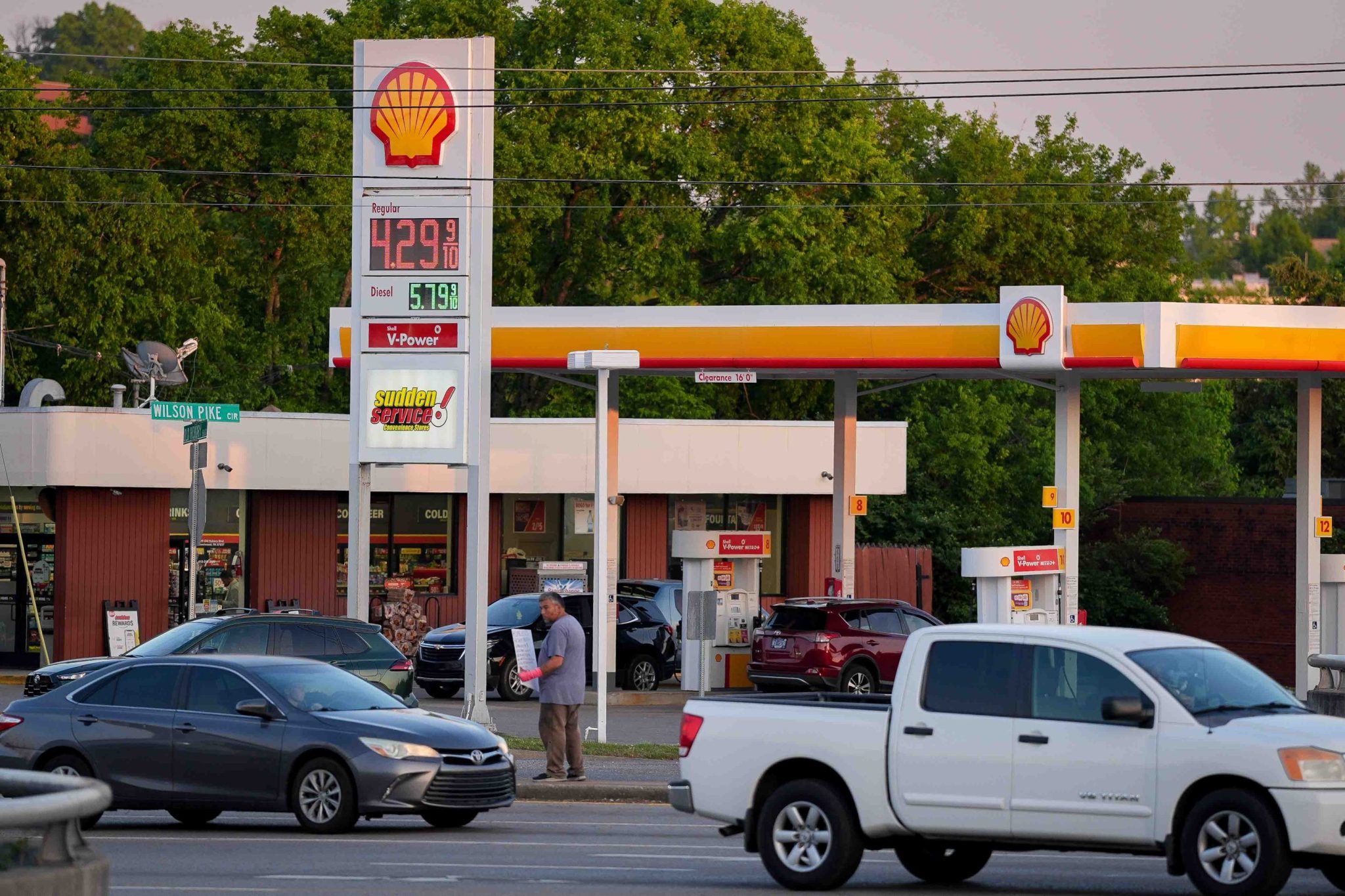
U.S. Energy Secretary Chris Wright predicts gas prices have likely peaked but won't fall below $3 per gallon until 2027, while suggesting the ongoing conflict could end within weeks. Trump disputes Wright's timeline, claiming his projections are incorrect, highlighting disagreement within the administration about energy price recovery.
Energy price forecasting carries significant weight in macroeconomic policy and consumer sentiment, directly influencing inflation metrics and Federal Reserve decision-making. Wright's assertion that gas prices have peaked represents a potential inflection point in the energy market, but his 2027 timeline for sub-$3 pricing suggests sustained elevated costs for several years. This extended recovery period reflects the structural challenges in energy markets, including geopolitical tensions and supply chain constraints that extend beyond simple conflict resolution.
The disconnect between Wright's technical assessment and Trump's skepticism reveals broader uncertainty about energy market dynamics. Wright's statement that conflict resolution may occur within weeks, yet prices require months or years to normalize, suggests he distinguishes between immediate geopolitical resolution and longer-term commodity market repricing. This separation is crucial—conflicts end quickly, but market psychology, supply rebalancing, and infrastructure recovery operate on different timelines.
For investors and market participants, sustained elevated energy prices through 2027 carry implications for inflation persistence, corporate margins in energy-intensive sectors, and consumer purchasing power. Energy prices function as a leading indicator for broader economic conditions, affecting everything from transportation costs to manufacturing expenses. If Wright's timeline proves accurate, markets may need to recalibrate expectations for rate-cut trajectories and inflation normalization. Trump's pushback suggests political pressure to deliver faster economic relief, but commodity markets ultimately respond to supply-demand fundamentals rather than official pronouncements.
- →Energy Secretary Wright predicts gas prices peaked but won't fall below $3 until 2027, contradicting Trump's more optimistic timeline
- →Conflict resolution within weeks doesn't guarantee immediate gas price declines due to market repricing lag
- →Extended elevated energy prices through 2027 maintain inflation pressure and affect Fed policy considerations
- →Disagreement between Wright and Trump reflects broader uncertainty about energy market recovery speed
- →Sustained higher energy costs impact corporate margins and consumer purchasing power across multiple sectors