
Inflation is roaring back globally, 2022 style. The Iran war is only half the problem
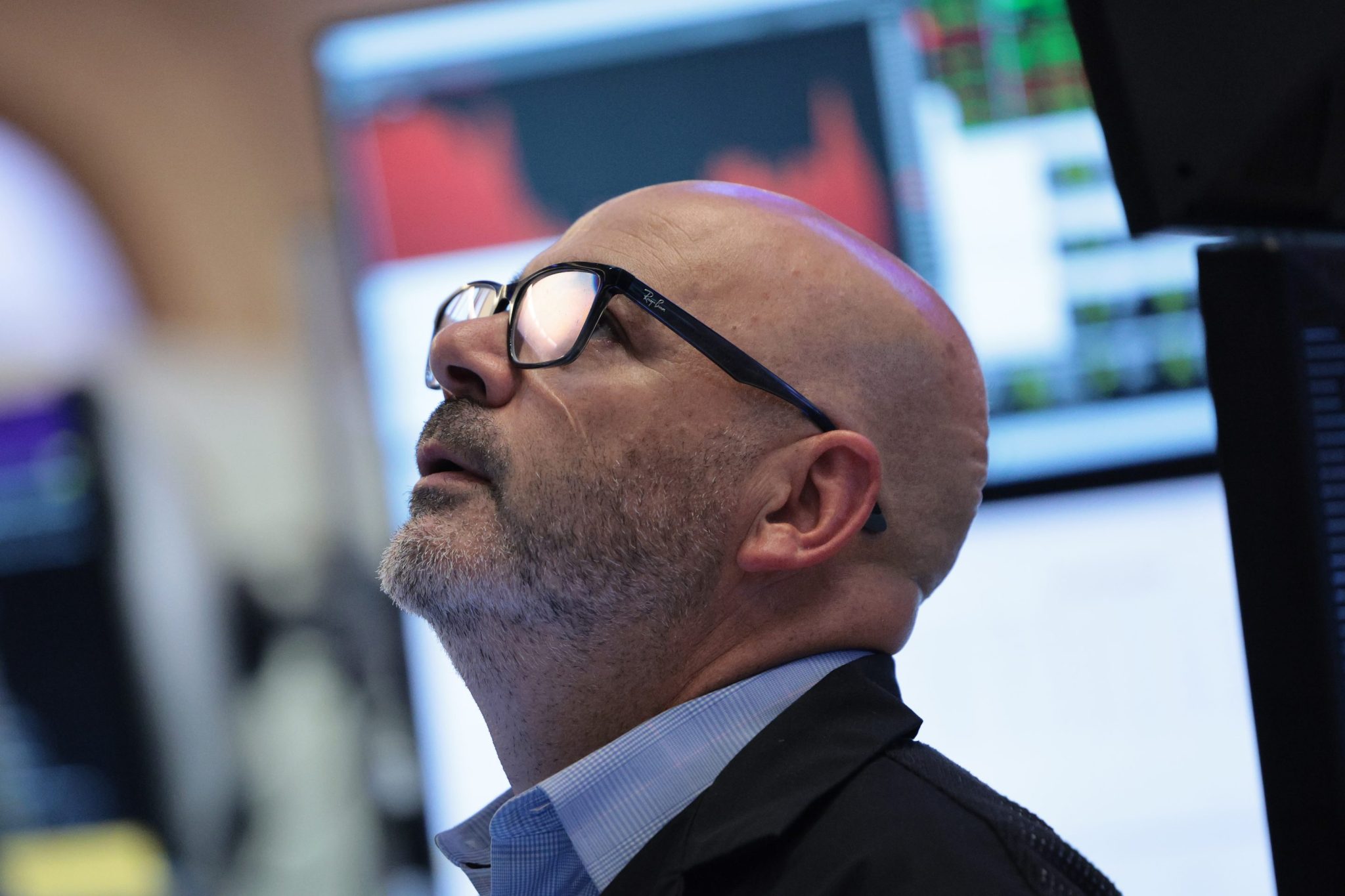
Global inflation is resurging to 2022 levels as the U.S., Europe, and China strain to meet escalating AI infrastructure demands, while geopolitical tensions including potential Iran conflict create additional upward pressure on commodity prices and energy costs.
Inflation has re-emerged as a significant macroeconomic concern in early 2025, driven by dual forces: geopolitical instability in the Middle East and the unprecedented computational demands of the AI boom. The AI sector's explosive growth requires massive increases in semiconductor production, energy infrastructure, and rare earth materials—all supply-constrained sectors. This demand surge compounds existing supply chain vulnerabilities and energy pressures, creating inflationary headwinds reminiscent of 2022's post-pandemic crisis.
The convergence of these factors matters because previous inflation cycles were primarily driven by monetary expansion and energy shocks. This iteration stems from structural demand exceeding capacity across multiple critical industries simultaneously. Europe faces energy security concerns exacerbated by geopolitical risk; China confronts manufacturing bottlenecks and power constraints; the U.S. battles rising input costs for AI infrastructure buildout.
For cryptocurrency and digital asset markets, renewed inflation pressure typically benefits hard assets and commodities but creates uncertainty around monetary policy direction. Higher inflation may force central banks to maintain elevated interest rates longer, pressuring risk assets including crypto. However, crypto markets have historically used inflation narratives to drive adoption narratives around Bitcoin as a hedge.
Investors should monitor energy prices, semiconductor availability, and central bank communications closely. The inflation trajectory will significantly influence AI sector valuations and cryptocurrency price action throughout 2025. If inflation stabilizes below 2022 peaks, it could support risk-on sentiment; if it accelerates, it may trigger broader deleveraging across digital assets.
- →AI infrastructure demand is creating supply-side inflation pressures across semiconductors, energy, and rare materials.
- →Geopolitical tensions compound traditional inflation risks, creating a 2022-style environment with new structural drivers.
- →Higher inflation may force central banks to maintain restrictive monetary policies, pressuring risk assets including crypto.
- →Energy security concerns in Europe and manufacturing bottlenecks in China amplify global inflationary pressure.
- →Investors should monitor semiconductor availability and energy prices as leading inflation indicators for 2025.