
Gold falls on oil-driven inflation worries as US-Iran talks falter
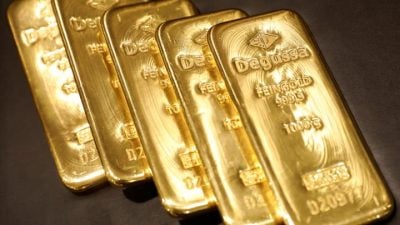
Deteriorating US-Iran nuclear negotiations are intensifying geopolitical tensions and driving oil price volatility, which in turn fuels inflation concerns globally. This dynamic is pressuring gold prices downward despite traditional safe-haven demand, as markets grapple with competing inflation and growth narratives.
The collapse of diplomatic efforts between the US and Iran signals a critical escalation in geopolitical risk, a factor that typically reshapes commodity and currency markets. When nuclear negotiations fail, the probability of sanctions escalation or military confrontation rises, historically triggering oil supply disruptions. Current tensions are manifesting in elevated oil prices, which feed directly into inflation expectations across energy-dependent economies. This creates a paradox: gold traditionally benefits from geopolitical uncertainty and inflation concerns, yet it's experiencing selling pressure. This suggests market participants are pricing in a scenario where central banks respond aggressively to inflation through rate hikes, making real yields on non-yielding assets like gold less attractive. The currency dynamics amplified by these tensions further complicate the picture, with dollar strength potentially offsetting gold's traditional flight-to-safety bid.
Historically, US-Iran tensions have triggered oil volatility spikes and broader risk-off sentiment. The current environment differs because inflation is already elevated, forcing policymakers into a difficult position where fighting price pressures may cool growth. For cryptocurrency markets, this creates mixed signals: rising oil and inflation typically benefit Bitcoin as a hedge, but aggressive Fed tightening cycles have historically pressured digital assets. The intersection of geopolitical risk, inflation fears, and monetary tightening presents traders with heightened volatility across multiple asset classes.
Market participants should monitor oil price movements closely as a leading indicator for inflation expectations and central bank policy responses. Watch for further deterioration in diplomatic channels or any developments suggesting military escalation, which could trigger sharp commodity repricing and broader portfolio rotation effects.
- →Failed US-Iran talks are escalating geopolitical tensions and driving oil price volatility
- →Elevated oil prices are fueling inflation concerns, paradoxically weakening gold despite safe-haven demand
- →Central banks' aggressive rate-hiking responses to inflation are suppressing real yields and pressuring non-yielding assets
- →Cryptocurrency markets face conflicting signals from inflation hedging demand versus monetary tightening headwinds
- →Oil price movements serve as a critical leading indicator for broader market rotation and policy expectations