
Gold falls over 1% to $4,022, heads for worst quarter in a decade
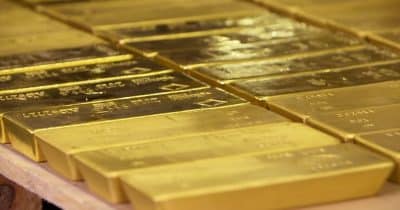
Gold has declined over 1% to $4,022 and is tracking toward its worst quarter in a decade, driven by a strengthening US dollar and changing interest rate expectations. The sell-off underscores how traditional safe-haven assets are becoming more volatile in the current macroeconomic environment.
Gold's sharp quarterly decline reflects a fundamental shift in macroeconomic conditions that challenges its traditional role as a reliable hedge against uncertainty. The combination of dollar strength and altered rate expectations creates headwinds for bullion, which typically benefits from weak currency conditions and lower interest rates. When the dollar appreciates, gold becomes more expensive for international buyers, reducing demand, while higher rate expectations make non-yielding assets like gold less attractive compared to yield-bearing alternatives like bonds and money market funds.
This weakness stems from the broader monetary policy landscape, where central banks have maintained elevated interest rates longer than many anticipated to combat persistent inflation. The Federal Reserve's hawkish stance has bolstered the dollar's appeal as a high-yielding currency, directly competing with gold for investor attention. Additionally, expectations around future rate paths have shifted, with markets pricing in different scenarios than those that prevailed earlier in the year.
For investors, this quarter represents a significant milestone—the worst gold performance in ten years signals that traditional portfolio diversification strategies may need recalibration. The decline affects not only direct gold holders but also gold-backed investment products and mining companies. Institutional investors who relied on gold as a crisis hedge face uncomfortable questions about its effectiveness in certain market regimes.
Moving forward, gold's trajectory depends heavily on Fed policy developments and dollar momentum. Any sign of rate cuts, inflation moderation, or geopolitical tension could reverse current trends. Investors should monitor central bank communications and economic data releases, as these will likely determine whether gold finds a floor or continues its decline.
- →Gold dropped over 1% to $4,022 and faces its worst quarter in a decade
- →Strong US dollar and shifting rate expectations are primary drivers of the selloff
- →Gold's role as a stable store of value is being challenged by current macro conditions
- →Higher interest rates make non-yielding assets like gold less competitive for investors
- →Fed policy changes and geopolitical developments will likely determine gold's next move