
Google plans launch of new smart glasses, preview expected soon
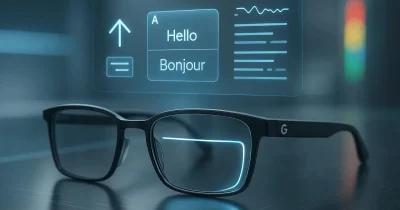
Google is preparing to launch new smart glasses with an Android XR platform, with a preview expected in the near term. The company's strategy emphasizes developer engagement and AI integration to compete in the augmented reality wearable market.
Google's entry into the smart glasses market represents a significant competitive move in wearable technology. The company's focus on Android XR positioning suggests an ecosystem-first approach, leveraging its existing developer base and software infrastructure to accelerate adoption. This differs from competitors who have prioritized hardware innovation, potentially allowing Google to capture developer mindshare and establish network effects more rapidly.
The AR wearables market has matured considerably since early consumer experiments. Meta, Apple, and Microsoft have each invested heavily in spatial computing devices, creating competitive pressure for Google to establish relevance. Android XR's developer-centric approach directly addresses the core limitation of previous AR platforms: insufficient native applications and integrations. By making the platform accessible to existing Android developers, Google reduces barriers to entry and increases application velocity.
For investors and technology stakeholders, Google's launch signals that AR is transitioning from experimental technology to mainstream infrastructure. The timing and emphasis on AI integration suggest Google views generative AI as critical to AR utility—likely powering contextual assistance, real-time translation, and intelligent information layering. This convergence of AI and AR could unlock new use cases in enterprise, consumer, and healthcare verticals.
Market observers should track adoption metrics at launch, developer registration numbers, and enterprise partnership announcements. The success of Google's smart glasses will depend less on hardware specifications and more on ecosystem development speed and practical applications that justify device adoption.
- →Google is launching smart glasses with Android XR, positioning developer engagement as a core differentiator
- →The platform integrates AI capabilities, suggesting Google views AI as essential to AR utility and user experience
- →This move indicates AR wearables are transitioning from experimental to mainstream technology infrastructure
- →Developer-first strategy could accelerate native application development compared to previous AR platforms
- →Success will depend on ecosystem adoption and practical use cases rather than hardware specifications alone