
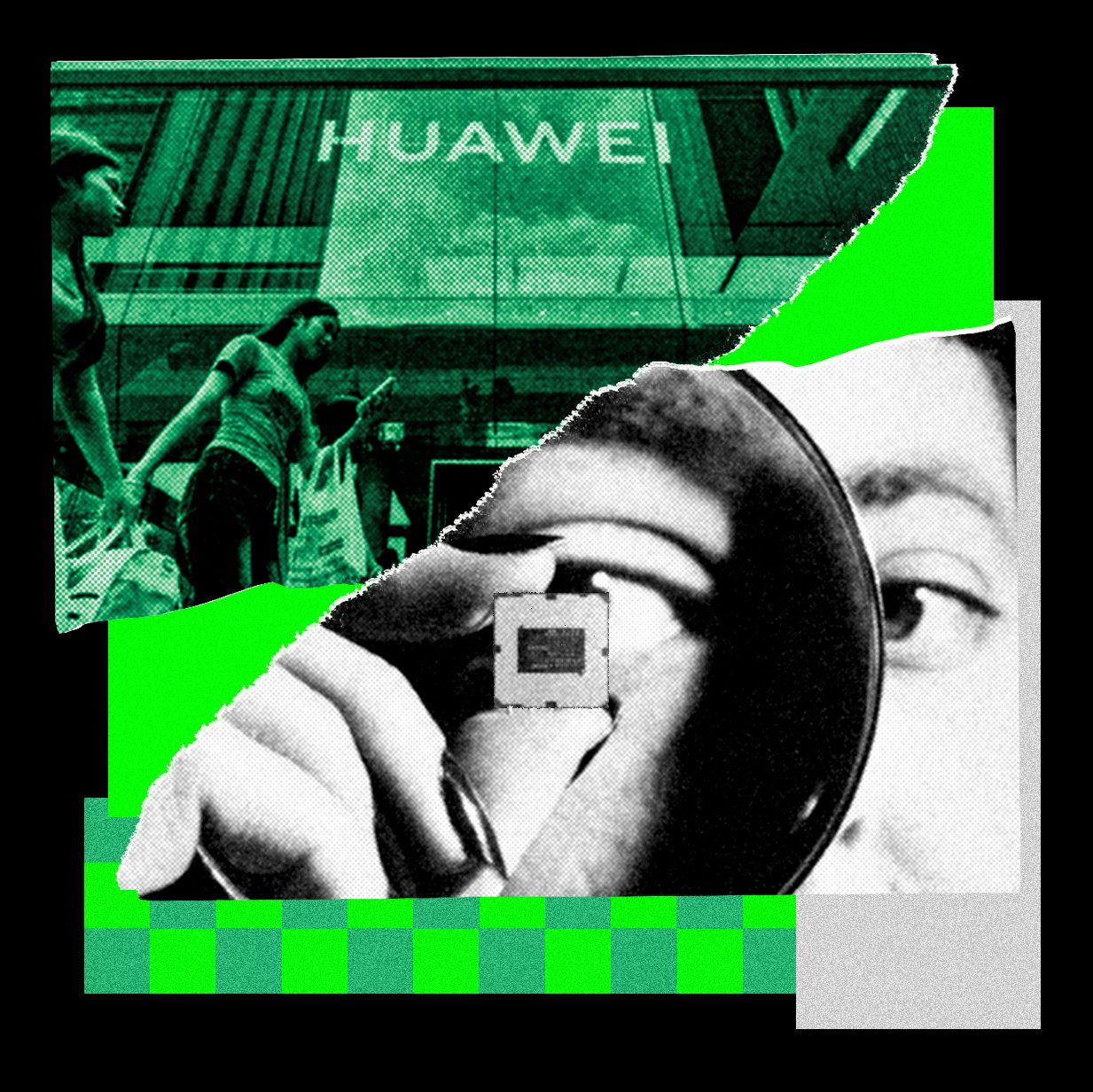
Huawei is advancing chip design strategies to overcome Moore's Law limitations, potentially challenging US semiconductor dominance. The Chinese tech giant's adaptation to slower transistor scaling could reshape global chip competition and have implications for technology supply chains.
Huawei's strategic pivot addresses a fundamental challenge in semiconductor manufacturing: Moore's Law—the observation that transistor density doubles roughly every two years—is reaching physical and economic limits. As traditional scaling becomes increasingly difficult and expensive, the company is investing in alternative approaches to chip performance improvement, signaling a shift in how the industry will compete going forward.
This development emerges amid intensifying US-China tech competition and American restrictions on advanced chip exports to Chinese firms. Huawei has faced severe supply chain disruptions due to sanctions, forcing the company to develop indigenous capabilities rather than relying on Western suppliers. The company's pivot toward post-Moore's Law design philosophies—potentially including chiplet architectures, advanced packaging, and specialized processors—represents both a necessity and a competitive strategy.
Investors and technology stakeholders should monitor this closely because successful execution could enable Chinese semiconductor independence while reducing reliance on American dominance in chip design tools and manufacturing expertise. A viable Chinese alternative to conventional chip scaling could fragment the global semiconductor market, creating separate technology ecosystems. This fragmentation carries implications for equipment makers, semiconductor designers, and companies dependent on unified technology standards.
The competitive landscape will likely intensify as other Chinese chipmakers adopt similar strategies. Success or failure of Huawei's approach will influence whether China achieves semiconductor self-sufficiency or continues facing constraints. Investors tracking semiconductor supply chains and geopolitical tech competition should expect continued volatility as this race unfolds.
- →Huawei is developing post-Moore's Law chip design strategies to overcome physical transistor scaling limitations.
- →US export restrictions have accelerated Chinese efforts toward semiconductor independence and indigenous innovation.
- →Alternative chip architectures and advanced packaging could challenge traditional US semiconductor dominance.
- →Success in these strategies could fragment the global semiconductor market into competing ecosystems.
- →Technology investors should monitor this competition as it affects supply chains and standards development.