
US inflation hits 3.8% as wages lag behind, squeezing household budgets and voter patience
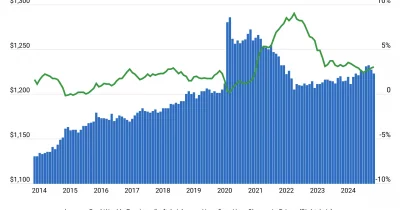
US inflation reached 3.8%, with wages failing to keep pace, creating financial pressure on households and eroding voter confidence. The persistent inflation is delaying Federal Reserve rate cuts, which has direct implications for cryptocurrency market volatility and investor sentiment.
The 3.8% inflation reading represents a critical macroeconomic inflection point with cascading effects across financial markets and consumer behavior. When real wages—adjusted for inflation—decline, households reduce discretionary spending and reassess investment portfolios, including cryptocurrency holdings. This wage-lag dynamic historically precedes shifts in monetary policy and asset allocation patterns.
The broader context reveals a persistent inflation regime that resists the Fed's rate-hiking campaign. Despite aggressive tightening cycles, price pressures remain sticky, particularly in services and housing sectors. This suggests structural inflation drivers rather than transient factors, complicating central bank decision-making and extending the high-interest-rate environment longer than markets previously anticipated.
For cryptocurrency markets, delayed rate cuts represent a headwind. Bitcoin and altcoins typically benefit from lower discount rates and declining real yields. Extended high-rate periods support stronger dollar valuations, making non-yielding crypto assets less attractive relative to Treasury yields. Simultaneously, voter frustration over household budget strain creates political pressure for monetary easing, potentially influencing Fed messaging and near-term rate expectations.
Investors should monitor upcoming Fed communications for dovish signals and track wage growth data alongside core inflation metrics. If real wage compression accelerates, consumer confidence typically deteriorates, which historically precedes equity and crypto market corrections. The intersection of monetary policy gridlock and election-cycle political pressures may create unexpected volatility in digital asset markets over coming quarters.
- →US inflation at 3.8% with stagnant wage growth creates real purchasing power decline for households
- →Persistent inflation delays Federal Reserve rate cuts, extending the high-interest-rate environment unfavorable for crypto
- →Voter frustration over budget strain increases political pressure on the Fed to pivot monetary policy sooner
- →Cryptocurrency assets face headwinds as higher real yields make non-yielding digital assets less competitive
- →Extended rate-hold periods may trigger consumer retrenchment and broader market volatility