
Iran conflict drives oil prices over $100, impacting Fed rate cut outlook
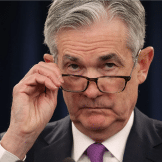
Rising tensions in Iran have pushed crude oil prices above $100 per barrel, introducing inflationary pressures that complicate the Federal Reserve's monetary policy decisions. The geopolitical crisis forces the Fed to weigh inflation control against economic growth, potentially delaying or reducing interest rate cuts that markets have anticipated.
Geopolitical conflicts in the Middle East create supply-side shocks that ripple through global markets. Oil price spikes directly feed into inflation metrics, particularly energy costs that impact transportation, manufacturing, and consumer goods across economies. The Fed faces a policy dilemma: aggressive rate cuts stimulate growth but risk reigniting inflation, while maintaining elevated rates protects price stability but constrains economic expansion. This dynamic matters for cryptocurrency markets because traditional risk-off sentiment during geopolitical crises typically pressures equities and bonds, historically driving investors toward alternative assets like Bitcoin and Ethereum as hedges. However, hawkish Fed positioning—prioritizing inflation control—can simultaneously pressure crypto through tighter liquidity conditions and reduced speculative appetite.
Historically, Middle East tensions create volatile oil markets, but sustained prices above $100 remain manageable unless supply disruptions intensify. The Fed's inflation-fighting mandate gained priority after 2022's price surge, meaning policymakers now move cautiously on rate cuts despite market expectations. Crypto investors watch Fed communications closely because monetary tightening reduces leverage in crypto markets and dampens risk appetite.
Looking ahead, traders should monitor both oil price trajectories and Fed rhetoric. If geopolitical escalation threatens actual supply disruptions, inflation expectations may force extended rate-hold periods, pressuring risk assets including cryptocurrencies. Conversely, if tensions stabilize and oil retreats below $90, the Fed gains room to cut rates earlier, supporting risk-on sentiment and crypto valuations.
- →Iran conflict pushes oil above $100, introducing inflation risks that complicate Fed rate-cut timing
- →Central bank must choose between inflation control and economic growth support
- →Geopolitical supply shocks historically drive hedging demand for alternative assets like Bitcoin
- →Hawkish Fed positioning on inflation constrains crypto market liquidity and speculative appetite
- →Oil price stabilization below $90 would create room for earlier Fed rate cuts, supporting risk assets