
Iran conflict impacts Fed rate cut outlook amid inflation concerns
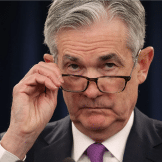
Geopolitical tensions involving Iran are creating inflationary pressures that complicate the Federal Reserve's monetary policy outlook, potentially shifting expectations away from rate cuts toward maintained or higher rates. This dynamic introduces macroeconomic uncertainty that directly influences cryptocurrency markets and investor risk assessments.
Geopolitical conflicts, particularly those involving oil-producing regions like Iran, historically trigger inflation through supply chain disruptions and energy price volatility. When oil markets face uncertainty, crude prices tend to spike, increasing costs across transportation, manufacturing, and consumer goods. The Federal Reserve faces a critical balancing act: supporting economic growth through rate cuts versus controlling inflation through restrictive policy. If Iran-related tensions persist, inflation expectations may remain sticky, forcing the Fed to maintain elevated rates longer than markets anticipated.
The cryptocurrency market has developed a complex relationship with macroeconomic policy. Bitcoin and other digital assets initially benefited from expectations of aggressive Fed rate cuts, as lower rates typically drive capital toward riskier assets. Conversely, sustained inflationary pressure and higher-for-longer rate expectations create headwinds. Crypto traders monitor inflation data and Fed communications closely, as rate policy directly influences borrowing costs, liquidity conditions, and risk appetite across financial markets.
For investors and traders, this situation demands careful attention to both geopolitical developments and Fed messaging. Energy price movements, inflation data releases, and central bank communications warrant heightened scrutiny. The intersection of geopolitical risk and monetary policy creates volatility that can rapidly reshape market positioning. Portfolios weighted toward assets benefiting from rate cuts may face pressure if conflict escalation reinforces inflationary narratives.
- →Iran conflict introduces inflationary risks that could extend Fed rate-cut timelines or trigger rate hikes instead
- →Oil price volatility from geopolitical tensions directly impacts inflation expectations and monetary policy decisions
- →Cryptocurrency markets face headwinds if sustained inflation keeps rates elevated longer than anticipated
- →Energy supply disruptions from Middle East conflicts historically correlate with broad-based price increases
- →Investors should monitor Fed communications and inflation data closely amid ongoing geopolitical uncertainties