
Iran asserts permanent control over Strait of Hormuz, impacting maritime traffic
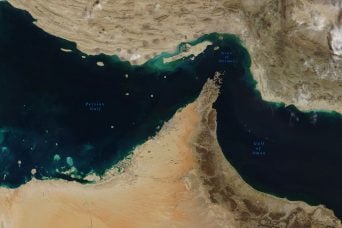
Iran has asserted permanent control over the Strait of Hormuz, a critical chokepoint for global maritime trade. This escalation threatens energy market stability and could trigger U.S. military intervention, with ripple effects across geopolitical tensions and commodity prices.
Iran's assertion of permanent control over the Strait of Hormuz represents a significant escalation in regional geopolitical tensions. The Strait handles approximately 21% of global petroleum trade, making any disruption to maritime traffic a critical concern for energy markets worldwide. This move signals Iran's intent to leverage its geographic position as a negotiating tool and potentially restrict adversaries' access to regional waters, raising the stakes in ongoing disputes with Western powers.
Historically, the Strait of Hormuz has been a flashpoint for international tensions, with multiple incidents involving Iranian naval forces and U.S. military assets over the past decade. Iran's assertion of permanent control follows a pattern of increasingly assertive regional behavior, including drone attacks and maritime incidents. The backdrop includes ongoing sanctions pressures, nuclear program disputes, and broader Middle Eastern power struggles involving Saudi Arabia, Israel, and Western nations.
For cryptocurrency and digital asset markets, geopolitical escalation of this magnitude creates indirect but meaningful impacts. Energy price volatility resulting from Hormuz disruptions flows through to broader macroeconomic uncertainty, influencing risk appetite across asset classes including crypto. Oil prices spike during geopolitical crises, potentially driving inflation concerns and central bank policy responses that affect cryptocurrency valuations. Additionally, sanctions regimes targeting Iran have historically driven interest in decentralized finance solutions and cryptocurrencies as alternative payment mechanisms.
Market participants should monitor escalation indicators, including U.S. military positioning, oil price movements, and shipping insurance premiums through the Strait. Any actual blockade or military confrontation could trigger sharp volatility across equities, commodities, and crypto markets simultaneously.
- →Iran's Strait of Hormuz control assertion threatens 21% of global petroleum trade and could trigger military responses
- →Geopolitical escalation increases energy price volatility with indirect ripple effects across macro markets and cryptocurrency valuations
- →Historical patterns suggest Iran leverages maritime chokepoints during sanctions disputes and regional power struggles
- →Crypto markets typically experience volatility spikes during major geopolitical crises due to flight-to-safety dynamics
- →Shipping insurance premiums and oil futures provide leading indicators for market impact severity