GeneralBearishCrypto Briefing · May 3🔥 8/10
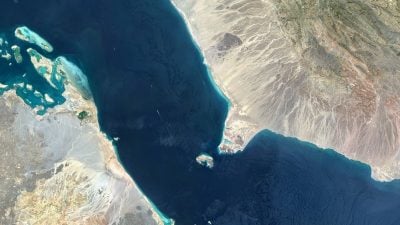
📰An Iranian editor has called for closing the Bab al-Mandab Strait amid escalating US-Iran tensions, raising significant geopolitical risks to global oil trade. The strait, a critical chokepoint for international energy commerce, represents a potential flashpoint that could disrupt markets and influence cryptocurrency volatility through broader macroeconomic instability.
GeneralBearishCrypto Briefing · Apr 20🔥 8/10
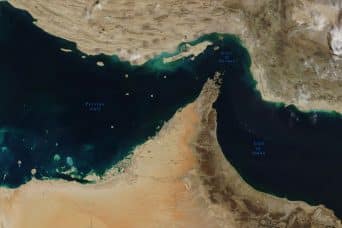
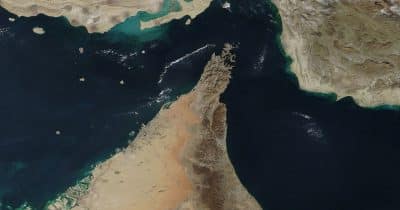
📰Iran is considering restricting Israeli-linked ships from transiting the Strait of Hormuz, a critical chokepoint controlling approximately 20% of global oil trade. This potential action could escalate Middle Eastern tensions, trigger military responses, and significantly disrupt maritime commerce and energy markets.
GeneralBearishCrypto Briefing · Apr 17🔥 8/10
📰Iran has imposed a $2 million toll demand on vessels transiting the Strait of Hormuz, causing a sharp decline in traffic through one of the world's most critical energy chokepoints. The escalation reflects intensifying geopolitical tensions and threatens global oil supply stability, with potential ripple effects across energy markets and cryptocurrency volatility.
CryptoBearishCrypto Briefing · Jun 25🔥 8/10
⛓️Iran announced plans to implement a toll system in the Strait of Hormuz that would generate approximately $40 billion annually, with the system accepting Bitcoin and USDT as payment methods. This move represents a significant shift in how geopolitically sensitive maritime chokepoints could be monetized and signals growing state adoption of cryptocurrencies to circumvent traditional financial sanctions.
$BTC
GeneralNeutralCrypto Briefing · Jun 247/10
📰Iran and Oman have coordinated a major ship evacuation through the Strait of Hormuz under IMO supervision, a development that may temporarily reduce regional tensions and stabilize critical maritime trade routes. This diplomatic coordination could have ripple effects on global shipping costs and energy markets.
GeneralBearishCrypto Briefing · Jun 23🔥 8/10
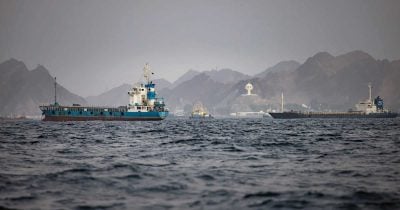
📰Allianz SE has warned that the Iran conflict is creating unprecedented disruption in global shipping insurance, with premiums surging over 1,000%. The insurance industry faces substantial claims exposure that threatens economic stability, particularly for firms in Asia, potentially triggering widespread insolvency.
GeneralBearishCrypto Briefing · Jun 23🔥 8/10
📰The UN's International Maritime Organization coordinated the evacuation of 11,000 seafarers from the Persian Gulf through the Strait of Hormuz, underscoring how geopolitical instability threatens global maritime trade routes critical to energy markets and shipping insurance. This large-scale emergency operation highlights systemic vulnerabilities in international commerce that extend beyond shipping to impact cryptocurrency and financial markets.
GeneralBearishFortune Crypto · Jun 20🔥 8/10
📰A recent deal between Iran and the U.S. regarding the Strait of Hormuz faces credibility challenges as shipping companies remain skeptical of enforcement mechanisms. The article highlights how private sector actors, not governments, ultimately determine whether critical maritime chokepoints remain functional, creating uncertainty around geopolitical agreements.
GeneralBullishCrypto Briefing · Jun 197/10
📰A US-Iran peace deal has enabled an LNG ship to reach India through the Strait of Hormuz, signaling reduced geopolitical tensions in the Persian Gulf. The agreement is expected to lower maritime risks and boost confidence in regional shipping corridors, potentially stabilizing trade flows that have long been vulnerable to escalation.
GeneralBullishCrypto Briefing · Jun 187/10
📰The US has temporarily lifted its naval blockade of Iran under a 60-day agreement, a diplomatic development expected to stabilize regional trade routes and improve market confidence in maritime security. This geopolitical shift could reduce shipping disruptions and ease commodity price volatility that has affected crypto and broader financial markets.
GeneralBullishCrypto Briefing · Jun 187/10
📰The United States has lifted its naval blockade on the Strait of Hormuz, a critical chokepoint for global oil trade. This diplomatic move is expected to reduce U.S.-Iran tensions and stabilize maritime commerce, with potential ripple effects across energy markets and geopolitical stability.
GeneralBearishCrypto Briefing · Jun 1🔥 8/10
📰Iran has asserted permanent control over the Strait of Hormuz, a critical chokepoint for global maritime trade. This escalation threatens energy market stability and could trigger U.S. military intervention, with ripple effects across geopolitical tensions and commodity prices.
GeneralBearishCrypto Briefing · May 307/10
📰The US maintains a military blockade of Iranian ports despite Trump's public claims of lifting sanctions, continuing to disrupt regional maritime commerce and geopolitical stability. This disconnect between stated policy and operational reality reflects ongoing tensions that could impact global energy markets and cryptocurrency trading volumes in sanctions-affected regions.
GeneralBearishCrypto Briefing · May 28🔥 8/10
📰The US Treasury has imposed sanctions on Iran's Persian Gulf Strait Authority as part of a broader campaign to pressure Iranian oil exports. The action escalates geopolitical tensions and carries implications for global maritime trade, regional investment flows, and insurance markets that could indirectly affect cryptocurrency and blockchain-based financial systems.
GeneralBearishCrypto Briefing · May 11🔥 8/10
📰The US has redirected 62 ships due to a Hormuz blockade, raising humanitarian and global trade concerns. The escalating geopolitical tension threatens supply chains and economic stability, potentially increasing cryptocurrency adoption as a hedge against traditional financial disruption.
GeneralNeutralCrypto Briefing · Apr 187/10
📰Eight oil tankers, including vessels under international sanctions, have transited the Strait of Hormuz out of the Persian Gulf, signaling a potential de-escalation in regional tensions. The movement reflects ongoing volatility in Middle Eastern maritime trade, a critical chokepoint through which roughly one-third of global seaborne oil passes.
GeneralBearishCrypto Briefing · Apr 177/10
📰Iran claims the Strait of Hormuz remains open for international shipping, but traders remain unconvinced due to lack of visible vessel movement confirming the assertion. The skepticism underscores how geopolitical tensions affecting critical maritime chokepoints require concrete evidence rather than diplomatic statements to restore confidence in global trade routes.
GeneralBearishCrypto Briefing · Apr 15🔥 8/10
📰A US-sanctioned tanker, the Rich Starry, has returned to the Strait of Hormuz after exiting the Persian Gulf, signaling potential enforcement challenges in maritime sanctions. The vessel's reappearance may escalate regional tensions and increase pressure on the US Navy to provide escort services in one of the world's most strategically critical shipping corridors.
GeneralNeutralCrypto Briefing · Apr 176/10
📰Qatari LNG tankers are attempting to transit through the Strait of Hormuz to enter the Persian Gulf, signaling a potential de-escalation of regional tensions. This development suggests normalizing shipping dynamics in a critical global trade corridor, with implications for energy markets and regional geopolitical stability.