
Iran, Oman to coordinate major ship evacuation through Strait of Hormuz: IMO
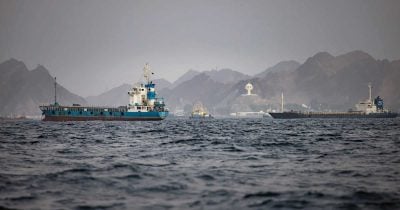
Iran and Oman have coordinated a major ship evacuation through the Strait of Hormuz under IMO supervision, a development that may temporarily reduce regional tensions and stabilize critical maritime trade routes. This diplomatic coordination could have ripple effects on global shipping costs and energy markets.
The coordinated evacuation between Iran and Oman represents a rare moment of diplomatic cooperation in one of the world's most strategically vital maritime chokepoints. The Strait of Hormuz handles approximately 20% of global oil trade, making disruptions in this region consequential for energy prices and shipping logistics worldwide. This joint operation, facilitated by the International Maritime Organization, signals de-escalation in what has been an increasingly tense geopolitical environment.
Regional tensions in the Persian Gulf have escalated in recent years due to sanctions, proxy conflicts, and competing interests among major powers. Previous incidents involving ship seizures, attacks on tankers, and naval posturing have created uncertainty for maritime commerce. The fact that Iran and Oman are actively coordinating evacuation efforts suggests both nations recognize the economic costs of destabilization and are willing to work through international frameworks.
For cryptocurrency and broader financial markets, stable maritime routes directly impact commodity prices—particularly crude oil, which influences inflation expectations and central bank policy. Reduced geopolitical risk in the Gulf tends to lower energy price volatility, which can ease inflationary pressures and support risk-on sentiment across digital assets. Investors monitoring macro factors should track whether this coordination proves durable or represents only temporary reprieve.
The sustainability of this cooperation remains uncertain. Success depends on whether both nations maintain diplomatic channels and whether external actors respect the evacuation corridor. Traders should monitor shipping cost indices and crude oil prices for signs of either sustained stability or renewed tension.
- →Iran-Oman coordination on ship evacuation signals potential de-escalation in the Strait of Hormuz, a critical global energy chokepoint.
- →Stable maritime routes reduce oil price volatility, which can ease inflation concerns and support risk-on market conditions.
- →The operation demonstrates that international frameworks like the IMO can facilitate cooperation even amid regional tensions.
- →Success depends on sustained diplomatic commitment from both nations and respect from external actors.
- →Crypto and broader markets should monitor shipping indices and crude prices as leading indicators of geopolitical stability.