
Iran plans to generate $40B annually from fees in Strait of Hormuz, accepts Bitcoin and USDT
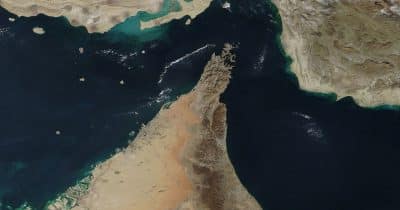
Iran announced plans to implement a toll system in the Strait of Hormuz that would generate approximately $40 billion annually, with the system accepting Bitcoin and USDT as payment methods. This move represents a significant shift in how geopolitically sensitive maritime chokepoints could be monetized and signals growing state adoption of cryptocurrencies to circumvent traditional financial sanctions.
Iran's proposal to accept cryptocurrencies for Strait of Hormuz tolls represents a novel approach to revenue generation and sanctions evasion. The system targets one of the world's most critical maritime routes, through which approximately 20-30% of global petroleum trade passes. By accepting Bitcoin and USDT, Iran creates a mechanism to collect substantial fees while potentially circumventing traditional banking channels and international payment systems restricted by Western sanctions.
This development emerges from Iran's history of seeking alternative financial infrastructure following decades of economic sanctions. Previous Iranian adoption of cryptocurrency has focused primarily on circumventing SWIFT restrictions and preserving capital value. The Strait of Hormuz toll system elevates this strategy from defensive financial management to active revenue generation through a critical global trade chokepoint.
For cryptocurrency markets, this represents accelerating state-level adoption despite regulatory headwinds elsewhere. The initiative validates use cases for stablecoins and Bitcoin in international commerce while potentially increasing transaction volumes on relevant blockchains. However, it simultaneously raises concerns about geopolitical leverage and could prompt counteractions from Western nations or shipping industry responses.
Investors should monitor potential sanctions responses, shipping industry adaptation, and whether this model influences other nations controlling strategic maritime routes. The precedent could reshape how geopolitical actors utilize cryptocurrency infrastructure, though actual implementation remains uncertain given international opposition and practical enforcement challenges. Market impact may emerge primarily through increased regulatory scrutiny rather than immediate trading activity.
- →Iran proposed a $40B annual toll system for Strait of Hormuz traffic accepting Bitcoin and USDT payments
- →The initiative represents state-level cryptocurrency adoption as a sanctions-evasion mechanism
- →Crypto acceptance for critical maritime infrastructure could establish precedents for geopolitical actors
- →International response and shipping industry adaptation remain critical variables for implementation success
- →The development may accelerate regulatory scrutiny of cryptocurrency use in circumventing financial restrictions