
US Treasury sanctions Iran’s Persian Gulf Strait Authority amid oil export pressure campaign
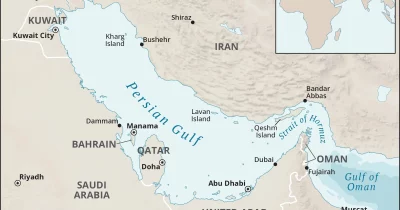
The US Treasury has imposed sanctions on Iran's Persian Gulf Strait Authority as part of a broader campaign to pressure Iranian oil exports. The action escalates geopolitical tensions and carries implications for global maritime trade, regional investment flows, and insurance markets that could indirectly affect cryptocurrency and blockchain-based financial systems.
The US Treasury's sanctions targeting Iran's Persian Gulf Strait Authority represent a significant escalation in economic pressure against Iran's oil sector. By sanctioning the entity responsible for managing one of the world's most critical shipping chokepoints, the US targets Iran's ability to monetize energy exports while raising costs for global maritime commerce. This move fits within a broader strategy of maximum economic pressure through export restrictions.
Historically, US sanctions on Iran have intensified during periods of geopolitical confrontation. The Persian Gulf Strait Authority controls roughly one-third of global maritime oil trade, making it a strategically vital target. Previous sanctions have driven Iranian entities toward alternative payment mechanisms and financial channels, including emerging technologies and non-traditional banking infrastructure that operate outside conventional banking systems.
For cryptocurrency and blockchain markets, such sanctions create indirect but meaningful effects. Increased financial isolation of sanctioned entities accelerates demand for decentralized payment systems and stablecoins that bypass traditional banking networks. Regional investors and businesses affected by secondary sanctions may seek crypto-based solutions to maintain liquidity and cross-border transactions. Maritime insurance costs rise with geopolitical uncertainty, ultimately increasing global trade friction that cryptocurrencies could theoretically address.
Market participants should monitor how these sanctions affect energy prices and global risk premiums. Prolonged tensions could drive capital toward digital assets as hedges against monetary instability and currency devaluation in affected regions. The broader implication centers on how geopolitical fragmentation continues reshaping financial flows toward decentralized alternatives.
- →US sanctions on Iran's Persian Gulf Strait Authority target a critical global oil shipping chokepoint, escalating export pressure.
- →Increased financial isolation historically drives demand for decentralized payment systems and cryptocurrency alternatives.
- →Maritime insurance costs and global trade friction are likely to increase, creating hedging demand for digital assets.
- →Cryptocurrency markets may experience volatility tied to energy price movements and geopolitical risk reassessment.
- →Regional investors face incentives to adopt blockchain-based solutions to circumvent sanctions-related banking restrictions.