
LNG ship reaches India via Hormuz after US-Iran peace deal
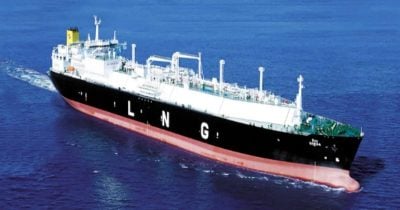
A US-Iran peace deal has enabled an LNG ship to reach India through the Strait of Hormuz, signaling reduced geopolitical tensions in the Persian Gulf. The agreement is expected to lower maritime risks and boost confidence in regional shipping corridors, potentially stabilizing trade flows that have long been vulnerable to escalation.
The transit of an LNG vessel through the Strait of Hormuz following a US-Iran peace agreement represents a meaningful shift in regional geopolitics with cascading effects on global energy markets and trade infrastructure. The Strait of Hormuz remains one of the world's most critical chokepoints, with approximately 20% of global petroleum passing through its waters annually. Previous tensions between the US and Iran created persistent uncertainty around shipping routes, insurance costs, and energy pricing, as any escalation risked blockades or attacks on commercial vessels.
This peace deal signals a de-escalation cycle that has been sought for years by global markets and trading partners dependent on Gulf stability. The successful passage of an LNG carrier demonstrates that risk premiums embedded in shipping insurance and energy pricing may begin to normalize. For energy importers like India, this opens pathways to more reliable and cost-effective supply chains, particularly for liquefied natural gas which has been subject to supply constraints and volatility.
The broader market implications extend beyond energy markets. Reduced geopolitical risk in the Gulf typically correlates with improved sentiment across emerging markets and risk assets, including cryptocurrency markets that react negatively to macro uncertainty and volatility. Lower shipping costs and more predictable energy supplies can also reduce inflationary pressures that central banks monitor closely, potentially affecting monetary policy trajectories that impact asset valuations.
Investors should monitor whether this peace holds and translates into sustained reductions in shipping insurance premiums and energy volatility. The sustainability of this agreement will determine whether confidence gains prove durable or temporary.
- →US-Iran peace deal enables safer passage through Strait of Hormuz, a critical global shipping chokepoint
- →Reduced maritime risk premiums could lower LNG and energy prices, benefiting net importers like India
- →De-escalation in Gulf tensions historically supports risk asset sentiment and emerging market confidence
- →Normalization of shipping costs may ease inflationary pressures monitored by central banks globally
- →Sustainability of the deal remains uncertain and will determine lasting market impact