
Iran considers banning Israeli-linked ships from Strait of Hormuz
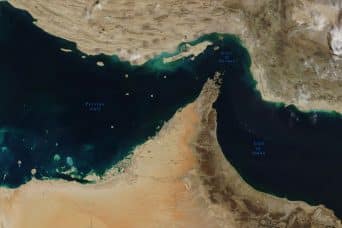
Iran is considering restricting Israeli-linked ships from transiting the Strait of Hormuz, a critical chokepoint controlling approximately 20% of global oil trade. This potential action could escalate Middle Eastern tensions, trigger military responses, and significantly disrupt maritime commerce and energy markets.
Iran's consideration of shipping restrictions targeting Israeli-connected vessels represents a significant escalation in regional tensions centered on the strategic Strait of Hormuz. The strait's geopolitical importance cannot be overstated—it serves as the primary passage for roughly one-fifth of the world's traded oil, making any disruption to maritime flows a matter of global economic concern. Such restrictions would likely provoke military responses from Israel, the United States, and allied nations, potentially transforming a commercial dispute into an armed conflict scenario.
This development emerges within the broader context of escalating Iran-Israel tensions, marked by recent military exchanges and proxy conflicts throughout the Middle East. Iran has historically used maritime threats as leverage in regional disputes, though actually implementing such bans would represent unprecedented economic brinkmanship. The theological and political dimensions of Iran's position against Israeli commerce add domestic political pressure on Iranian leadership to demonstrate strength against perceived Western-backed adversaries.
For energy markets and cryptocurrency investors, maritime disruptions carry substantial implications. Oil price volatility tends to spike during Middle Eastern conflicts, affecting traditional energy inflation expectations and, consequently, cryptocurrency valuations as investors reassess macro conditions. Investors holding positions sensitive to energy costs or geopolitical risk premiums face potential portfolio pressure if tensions materialize into actual shipping disruptions. Blockchain-based supply chain tracking and decentralized insurance mechanisms could gain relevance if traditional maritime commerce faces operational constraints.
Market participants should monitor escalation indicators including military posturing, shipping insurance costs, and official Iranian government statements. Any actual implementation of restrictions would likely trigger immediate energy market responses and broader risk-off sentiment across cryptocurrency and equity markets.
- →Iran's potential shipping ban targets a chokepoint handling 20% of global oil trade, creating systemic risk exposure.
- →Maritime restrictions would likely provoke military responses, escalating Middle East tensions significantly.
- →Oil price volatility from regional conflicts directly impacts cryptocurrency market sentiment and risk appetite.
- →Energy market disruptions could increase demand for blockchain-based supply chain and logistics solutions.
- →Current status remains theoretical; actual implementation would trigger immediate market reactions across assets.