
Qatari LNG tankers attempt Persian Gulf entry via Strait of Hormuz
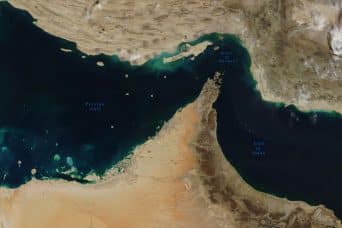
Qatari LNG tankers are attempting to transit through the Strait of Hormuz to enter the Persian Gulf, signaling a potential de-escalation of regional tensions. This development suggests normalizing shipping dynamics in a critical global trade corridor, with implications for energy markets and regional geopolitical stability.
The movement of Qatari liquefied natural gas tankers through the Strait of Hormuz represents a significant shift in regional maritime activity and diplomatic relations. The Strait of Hormuz remains one of the world's most strategically important chokepoints, with approximately one-third of global maritime petroleum trade passing through its narrow passage. Qatari tankers attempting this transit after periods of restricted or contentious shipping indicates shifting geopolitical circumstances in the Gulf.
The historical context involves years of regional tensions, including the 2017 Qatar diplomatic crisis and subsequent blockade that restricted Qatari shipping and trade. The broader Middle Eastern landscape has experienced considerable volatility, with various stakeholders competing for influence over maritime routes and energy infrastructure. This tanker transit suggests those historical disputes may be gradually resolving, allowing normal commercial operations to resume.
For global energy markets, normalized Gulf shipping dynamics carry substantial implications. LNG supply chains depend on predictable transit routes and reduced geopolitical risk premiums. Investors monitoring energy commodity prices and shipping sector performance should consider this normalization as a stabilizing factor. Reduced tension also suggests lower insurance costs and faster delivery times for energy products moving through the region.
Market participants should monitor whether this represents a sustained trend toward de-escalation or a temporary occurrence. Continued successful transits would reinforce confidence in regional stability, potentially moderating energy price volatility. Conversely, any renewed restrictions would quickly reverse these gains. The coming weeks will prove critical in determining whether this signals genuine normalization of Gulf shipping or merely a tactical pause in regional tensions.
- →Qatari LNG tankers transiting the Strait of Hormuz signal potential easing of regional tensions and diplomatic normalization.
- →Normalized shipping through critical chokepoints reduces insurance costs and energy price volatility for global markets.
- →The transit represents a departure from the 2017 Qatar diplomatic crisis that previously restricted Gulf trade routes.
- →Sustained normalization would stabilize LNG supply chains and improve predictability for energy investors.
- →Market participants should monitor subsequent transits to confirm whether this reflects durable de-escalation or temporary reprieve.