
UN’s International Maritime Organization coordinates evacuation of 11,000 seafarers from Gulf through Strait of Hormuz
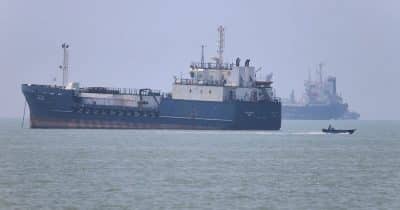
The UN's International Maritime Organization coordinated the evacuation of 11,000 seafarers from the Persian Gulf through the Strait of Hormuz, underscoring how geopolitical instability threatens global maritime trade routes critical to energy markets and shipping insurance. This large-scale emergency operation highlights systemic vulnerabilities in international commerce that extend beyond shipping to impact cryptocurrency and financial markets.
The evacuation of 11,000 seafarers represents a significant disruption to one of the world's most strategically important waterways. The Strait of Hormuz serves as a chokepoint for approximately 21% of global petroleum trade, making it essential infrastructure for energy markets worldwide. When geopolitical tensions force such evacuations, they signal elevated risk premiums across multiple asset classes, including crude oil futures and broader equity markets.
This incident reflects ongoing regional instability that has periodically threatened maritime commerce over the past decade. Previous tensions in the Persian Gulf have triggered volatility spikes in energy prices and created uncertainty in global supply chains. The coordination required for such a large-scale evacuation demonstrates both the severity of conditions and the international mechanisms attempting to maintain stability.
For cryptocurrency and financial markets, maritime disruptions carry cascading effects. Energy price volatility influences inflation expectations and central bank policy, which directly impact risk asset valuations including cryptocurrencies. Insurance costs for shipping increase substantially during such events, raising expenses throughout global trade and contributing to inflationary pressures. When traditional markets experience stress from geopolitical events, Bitcoin and other digital assets often see increased demand as investors seek portfolio diversification.
Monitoring ongoing regional developments remains critical for market participants. Future evacuations, shipping route closures, or escalating tensions could trigger broader financial market dislocations. Investors should track maritime incident reports and insurance premium movements as early indicators of systemic stress that could impact both traditional and digital asset markets.
- →The evacuation of 11,000 seafarers signals elevated geopolitical risk in the Persian Gulf, a region handling over 20% of global oil trade.
- →Maritime disruptions increase shipping insurance costs and create inflation pressures that influence central bank policy and risk asset valuations.
- →Strait of Hormuz instability historically triggers volatility across energy markets, equities, and alternative assets including cryptocurrencies.
- →International coordination for large-scale evacuations demonstrates both crisis severity and existing mechanisms attempting to maintain trade route stability.
- →Investors should monitor maritime incidents and insurance premium trends as indicators of systemic stress affecting broader financial markets.