
Eight tankers exit Persian Gulf via Strait of Hormuz, including sanctioned vessels
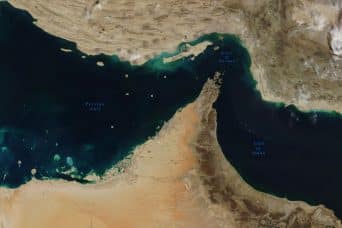
Eight oil tankers, including vessels under international sanctions, have transited the Strait of Hormuz out of the Persian Gulf, signaling a potential de-escalation in regional tensions. The movement reflects ongoing volatility in Middle Eastern maritime trade, a critical chokepoint through which roughly one-third of global seaborne oil passes.
The passage of sanctioned tankers through the Strait of Hormuz carries significant implications for global energy markets and cryptocurrency investors exposed to oil price volatility. This transit event suggests a temporary easing of maritime restrictions in one of the world's most geopolitically sensitive regions, where previous tensions have triggered dramatic oil price swings that correlate with Bitcoin and broader risk asset movements.
Historically, the Strait of Hormuz has been a flashpoint for regional conflicts and international sanctions regimes. The movement of sanctioned vessels indicates either enforcement variations or diplomatic shifts in how maritime restrictions are being applied. These dynamics have directly impacted crude oil prices—a key macroeconomic variable that influences cryptocurrency valuations through its effect on global risk sentiment and energy-sector investment flows.
For cryptocurrency markets, persistent uncertainty around Persian Gulf shipping costs represents indirect but measurable market risk. Energy price stability supports traditional financial conditions that affect crypto adoption and institutional participation. Conversely, energy market disruptions can trigger flight-to-safety behaviors that increase cryptocurrency volatility as investors reallocate across asset classes.
The mixed signals from these tanker movements underscore an important pattern: maritime geopolitics create sustained uncertainty rather than resolution. Investors should monitor whether this represents a sustained de-escalation or a temporary reprieve before renewed tensions. Continued monitoring of tanker traffic patterns, sanctions enforcement announcements, and regional diplomatic developments will provide early signals of shifts in energy market stability that cascade into cryptocurrency trading dynamics.
- →Eight tankers exiting the Persian Gulf, including sanctioned vessels, indicate potential easing of regional maritime tensions.
- →The Strait of Hormuz remains a critical global energy chokepoint where geopolitical events directly impact oil prices and broader risk sentiment.
- →Oil price volatility correlates with cryptocurrency market movements through macroeconomic channels and risk asset allocation patterns.
- →Ongoing uncertainty in enforcement of maritime sanctions suggests sustained geopolitical risk rather than resolution.
- →Cryptocurrency investors should monitor Persian Gulf shipping dynamics as early indicators of macroeconomic volatility.