
Iran signals future insurance fees for ships crossing Strait of Hormuz
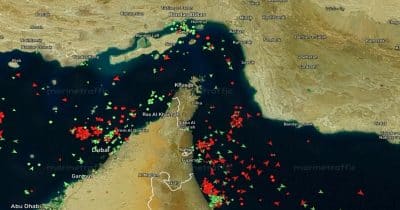
Iran has announced plans to implement insurance fees for vessels transiting the Strait of Hormuz, a critical chokepoint through which approximately 20% of global oil passes. This move threatens to increase shipping costs worldwide, elevate energy prices, and create compliance challenges for maritime operators navigating geopolitical tensions.
Iran's proposal to introduce insurance fees for Hormuz passage represents a significant escalation in maritime policy that extends beyond traditional shipping concerns into broader macroeconomic territory. The Strait of Hormuz, one of the world's most strategically important waterways, channels roughly 20% of global petroleum trade. By imposing new insurance requirements, Iran creates a mechanism to extract economic value from international commerce while asserting greater control over regional shipping lanes.
This announcement emerges within the context of escalating US-Iran tensions and existing sanctions regimes that have strained Iranian revenues. The move reflects Iran's calculated strategy to monetize its geographic position without resorting to outright blockades that would trigger military intervention. Historical precedent exists for such policies—similar fee structures have been attempted during previous periods of heightened tension in the Persian Gulf.
For crypto and energy markets, the implications are substantial. Elevated shipping costs directly translate to higher oil prices, which typically correlate with increased inflation expectations and central bank policy responses. Bitcoin and risk assets often experience volatility during periods of geopolitical uncertainty and inflation concerns. Energy-dependent sectors, including blockchain infrastructure providers that rely on stable electricity costs, face pressure from rising fuel surcharges baked into operating expenses.
Market observers should monitor whether major shipping lines accept these fees, triggering permanent cost increases, or challenge them diplomatically. The outcome determines whether this becomes a temporary negotiation tactic or a lasting structural change to global energy trade. Investors should watch energy prices and macro volatility indicators closely, as sustained shipping cost increases could influence Fed policy and risk asset valuations.
- →Iran plans to implement insurance fees for ships crossing the Strait of Hormuz, potentially raising global shipping and energy costs
- →The Strait of Hormuz handles approximately 20% of global oil trade, making Iranian policy changes systemically important to energy markets
- →Higher shipping costs directly increase oil prices, which affects inflation expectations and central bank policy decisions
- →Crypto markets and blockchain infrastructure operators face indirect pressure through elevated energy costs and macro volatility
- →The outcome depends on whether shipping lines accept fees or challenge them, determining if this becomes permanent or temporary