
Iran strike on Israel by April 2026 priced YES on Polymarket
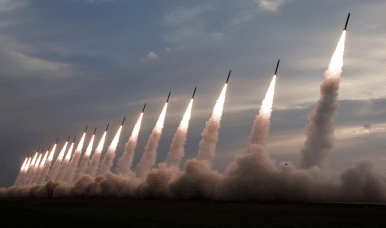
A Polymarket prediction contract shows high confidence in an Iranian strike against Israel by April 2026, reflecting significant geopolitical risk. Market participants are pricing in elevated regional conflict probability, which carries implications for global energy markets and crypto volatility.
Prediction markets like Polymarket serve as real-time aggregators of collective expectations about future events, and their pricing signals warrant attention from investors exposed to geopolitical risk. The contract's YES pricing indicates market participants assign substantial probability to Iranian military action against Israel within the specified timeframe, suggesting escalating tensions beyond current baseline expectations. This reflects deteriorating diplomatic conditions and perceived military readiness rather than settled peace prospects.
The Middle East conflict history demonstrates that regional military escalations create secondary effects across global markets. Energy prices respond sharply to supply chain disruption risks, particularly crude oil and liquefied natural gas given the region's production capacity. Cryptocurrency markets historically exhibit volatility during major geopolitical events as investors reallocate risk capital and seek alternative stores of value. Bitcoin and other digital assets often see increased inflows during periods of currency instability or international conflict.
For crypto markets specifically, heightened geopolitical uncertainty typically benefits assets perceived as non-correlated to traditional finance and government control. The prediction market signal itself amplifies information asymmetries—professional traders and institutional investors monitor these contracts for edge, potentially moving capital into defensive positions. For retail investors and crypto participants, this suggests monitoring energy sector correlations and traditional safe-haven flows as potential leading indicators of broader market stress. Traders should watch for correlation breakdowns between crypto and traditional assets, as sustained geopolitical risk often drives differentiated performance across asset classes.
- →Polymarket's Iran-Israel strike contract shows markets pricing meaningful conflict probability by April 2026
- →Geopolitical escalation typically triggers oil price spikes and cryptocurrency volatility
- →Prediction markets aggregate distributed information faster than traditional forecasting methods
- →Crypto assets may benefit as hedges during periods of elevated regional conflict risk
- →Energy price correlation with crypto assets becomes critical signal during Middle East tensions