
Iran orders ships to turn back in Strait of Hormuz amid escalating tensions
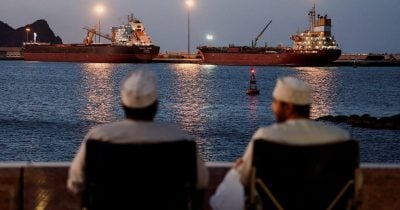
Iran has ordered ships to reverse course in the Strait of Hormuz amid escalating geopolitical tensions, creating risks to global energy security and the stability of international trade routes. This development underscores the vulnerability of critical infrastructure to regional conflicts and their potential spillover effects on global markets.
The Strait of Hormuz represents one of the world's most critical chokepoints for energy transport, with approximately 20% of global petroleum passing through its waters annually. Iran's directive to redirect vessels signals a deliberate escalation in regional tensions, likely reflecting broader geopolitical friction with Western powers and neighboring states. This type of maritime restriction historically precedes periods of heightened instability and occasionally naval confrontations.
The underlying drivers include longstanding disputes over Iran's nuclear program, sanctions regimes, and competing regional interests in the Middle East. Previous disruptions in the Strait have triggered sharp commodity price spikes, currency volatility, and risk-off sentiment across global markets. Energy prices anchor many macroeconomic assumptions that affect crypto valuations, particularly through their influence on inflation expectations and central bank policy trajectories.
For cryptocurrency markets, geopolitical instability in oil-producing regions typically creates bifurcated effects. Rising crude prices can increase inflationary pressures, potentially constraining monetary easing and pressuring risk assets including digital currencies. Conversely, safe-haven flows during crisis periods sometimes benefit Bitcoin as investors seek uncorrelated assets. The crypto market's sensitivity to energy costs also matters directly—mining operations face higher electricity expenses when energy prices surge.
Market participants should monitor escalation indicators including additional Iranian maritime actions, international diplomatic responses, and oil price movements. A sustained disruption to Hormuz traffic would likely trigger broad portfolio reallocations and heightened volatility across risk assets. Traders should track crude oil futures and geopolitical risk indices as leading indicators of broader market stress.
- →Iran's directive to reverse ships in the Strait of Hormuz escalates regional tensions and threatens 20% of global petroleum transport.
- →Strait disruptions historically trigger sharp commodity price spikes with downstream effects on inflation and monetary policy expectations.
- →Rising energy costs directly impact cryptocurrency mining profitability and operational economics across the industry.
- →Geopolitical crises create volatility in risk assets, including cryptocurrencies, through both direct commodity linkages and sentiment-driven portfolio rotations.
- →Investors should monitor crude oil futures and diplomatic developments as leading indicators of potential market-wide stress.