
Calls for treaty to shut down Iran’s Pickaxe Mountain nuclear site
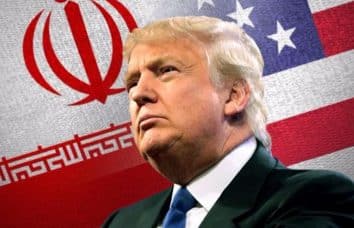
International diplomatic efforts are intensifying to establish a treaty shutting down Iran's Pickaxe Mountain nuclear facility, with officials emphasizing that diplomatic solutions are essential as military options remain limited. The outcome of these negotiations could significantly impact ceasefire dynamics and broader geopolitical market stability.
The push for a diplomatic treaty regarding Iran's nuclear infrastructure represents a critical juncture in international security negotiations. Diplomatic channels are being prioritized over military intervention, signaling a preference for negotiated settlements that could reduce immediate regional tensions. This approach reflects broader geopolitical risk management strategies where parties seek binding agreements rather than military escalation.
The context involves longstanding concerns about Iran's nuclear capabilities and international pressure for transparency and compliance with non-proliferation frameworks. Previous negotiations, including the JCPOA, established precedents for diplomatic engagement on this issue, though implementation challenges have persisted. The current push for a formalized treaty suggests renewed momentum in multilateral engagement.
For cryptocurrency and financial markets, geopolitical stability directly influences risk asset performance and capital flows. Any breakdown in diplomatic efforts could trigger volatility across equity, commodities, and crypto markets, as investors reassess geopolitical risk premiums. Conversely, successful treaty negotiations could reduce uncertainty and support risk-on sentiment. Crypto markets are particularly sensitive to geopolitical shocks given their correlation with broader macro sentiment and institutional risk appetite.
Market participants should monitor diplomatic developments closely, as any escalation signaling military action or sanction intensification could prompt swift adjustments in asset allocations. Success in treaty negotiations would likely support sustained risk appetite, while failure could accelerate flight-to-safety dynamics, potentially benefiting safe-haven assets.
- →Diplomatic negotiations for Iran's nuclear site closure are prioritized over military options to avoid regional escalation.
- →Ceasefire market dynamics remain vulnerable to rapid shifts based on negotiation outcomes.
- →Geopolitical stability directly influences cryptocurrency volatility and broader financial market risk sentiment.
- →Previous treaty attempts provide context but highlight implementation challenges in similar international agreements.
- →Market participants should maintain heightened monitoring of diplomatic progress for potential asset allocation adjustments.