
Iran targets US airbase after Trump dismisses Hormuz deal report
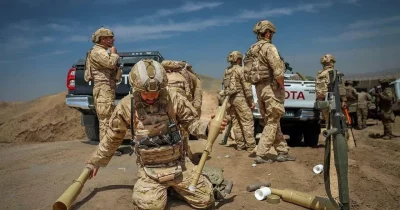
Iran conducted military strikes against a US airbase following Trump's dismissal of reports regarding a potential Hormuz Strait agreement. This geopolitical escalation raises crude oil prices and increases market volatility, creating ripple effects across global financial markets and cryptocurrency valuations tied to macroeconomic stability.
Military tensions between Iran and the United States have intensified following Trump's public dismissal of diplomatic negotiations centered on the Hormuz Strait. The Iranian response—targeting US military infrastructure—represents a significant escalation in direct confrontation rather than proxy warfare, demonstrating reduced restraint in regional conflict dynamics. This shift matters because it signals breakdown in potential de-escalation pathways that could have stabilized Middle Eastern geopolitics.
Historically, US-Iran tensions have cycled through periods of hostility and negotiation since the 2015 nuclear deal's dissolution under Trump's first administration. Recent months showed hints of diplomatic engagement, but the public dismissal of the Hormuz agreement suggests those channels have collapsed. This deterioration mirrors previous flashpoints—the Soleimani assassination, drone attacks on Saudi oil facilities—that preceded sharp commodity and equity market movements.
For cryptocurrency and broader markets, geopolitical crises typically drive oil price spikes, inflation concerns, and flight-to-safety dynamics. Bitcoin and risk assets often experience volatility during major geopolitical events as investors reassess macro conditions. Central banks may adjust monetary policy responses if energy prices destabilize inflation trajectories. Traders holding positions exposed to energy markets or emerging markets face increased hedging costs.
Monitoring developments requires attention to potential military escalation, secondary sanctions implications, and crude oil price trajectories. Market participants should assess how this tension affects Fed policy expectations and capital allocation toward safe-haven assets versus growth-oriented investments.
- →Iran's military strike on US airbase follows Trump's rejection of Hormuz Strait diplomatic agreement
- →Geopolitical escalation typically elevates crude oil prices and market volatility across equities and crypto
- →Breakdown in diplomatic channels suggests sustained period of elevated regional tension ahead
- →Central bank policy responses to energy-driven inflation concerns could impact broader market conditions
- →Risk-asset holders should reassess macro hedging strategies amid heightened geopolitical uncertainty