
Iran agrees to transfer part of uranium to third country, shaking up geopolitical risk calculus
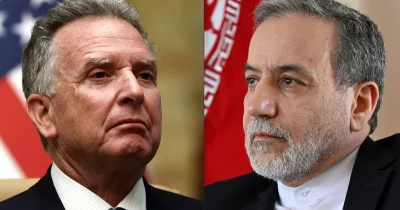
Iran has agreed to transfer a portion of its uranium enrichment to a third country, a diplomatic development that could reduce near-term nuclear tensions and reshape geopolitical risk premiums affecting energy markets. This agreement has potential cascading effects on global oil prices, inflation expectations, and cryptocurrency regulatory environments as sanctions dynamics shift.
Iran's uranium transfer agreement represents a significant diplomatic pivot that addresses long-standing concerns from Western nations about nuclear proliferation. The decision to move enriched uranium out of Iranian territory reduces the immediate risk of military escalation and signals a willingness to engage in negotiation, contrasting with periods of heightened tension that typically spike geopolitical risk premiums. This development emerges from ongoing multilateral negotiations and reflects pressure from international stakeholders seeking de-escalation in the Middle East.
Historically, geopolitical tensions involving Iran have created unpredictable volatility in oil markets, with crude prices experiencing sharp spikes during periods of elevated sanctions rhetoric or military posturing. A more stable geopolitical environment could moderate energy prices and reduce inflation expectations that central banks have been monitoring closely. Lower energy costs typically ease inflationary pressures, which indirectly impacts cryptocurrency markets by influencing monetary policy decisions and broader economic conditions.
For the crypto industry specifically, shifts in sanctions regimes affect compliance frameworks and regulatory scrutiny. Reduced tensions may decrease pressure for broader secondary sanctions that could impact crypto transactions or banking relationships with certain jurisdictions. Conversely, if the agreement stabilizes energy markets and inflation, it could improve sentiment around risk assets including cryptocurrencies by reducing macroeconomic uncertainty.
Investors should monitor whether this uranium transfer actually proceeds and whether additional sanctions relief follows. The sustainability of diplomatic progress remains uncertain given the complex history of Iran nuclear negotiations. Any breakdown in the agreement could rapidly reverse these favorable conditions and reignite geopolitical risk premiums across energy and crypto markets.
- →Iran's uranium transfer reduces immediate nuclear escalation risk and stabilizes geopolitical uncertainty.
- →Lower oil market volatility from reduced tensions could moderate inflation expectations and ease monetary policy pressure.
- →Shifting sanctions dynamics may create more favorable regulatory conditions for cryptocurrency compliance frameworks.
- →Energy market stability could improve risk asset sentiment if inflation expectations decline materially.
- →Agreement sustainability remains uncertain given historical precedent of failed Iran nuclear negotiations.