
Trump and Iran sign interim ceasefire deal in France during G7 Summit
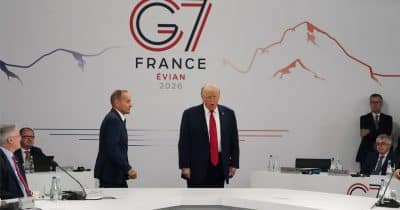
The U.S. and Iran have signed an interim ceasefire agreement during the G7 Summit in France, a significant diplomatic development that could reduce geopolitical tensions and stabilize global oil markets. The deal's fragility presents both economic opportunities and risks, with potential implications for inflation and energy prices that ripple through cryptocurrency and broader financial markets.
The Trump-Iran ceasefire represents a rare diplomatic breakthrough in a historically contentious relationship, occurring at a multilateral forum that signals international coordination. Such geopolitical de-escalation typically reduces safe-haven demand and stabilizes commodity markets, particularly oil, which serves as a macroeconomic barometer affecting inflation expectations and central bank policy decisions.
Historically, Trump's approach to Iran has oscillated between maximum pressure campaigns and negotiation, making this interim agreement noteworthy as a potential policy shift. The G7 venue suggests broader Western support for stabilization, though the characterization of the deal as "interim" and "fragile" indicates significant implementation risks remain. Previous Iran nuclear agreements have faced enforcement challenges and political reversals, establishing a cautious precedent.
For crypto markets, oil price stability and reduced inflation expectations directly influence macroeconomic conditions that drive asset allocation. Lower oil prices moderate inflation narratives, potentially affecting Federal Reserve rate expectations—a primary driver of cryptocurrency valuations. Bitcoin and other crypto assets often respond inversely to real interest rate expectations; ceasefire-driven oil stability could reduce inflation premiums currently embedded in asset prices.
Investors should monitor whether this deal holds through implementation phases or collapses under political pressure, as durability remains unclear. The coming weeks will reveal whether the agreement generates meaningful long-term energy price benefits or proves another temporary diplomatic episode. Market participants should watch for oil price movements and inflation data revisions as primary indicators of the deal's actual economic impact.
- →Iran-U.S. ceasefire could stabilize oil markets and potentially ease inflation pressures affecting macro asset valuations
- →The deal's characterization as "interim" and "fragile" suggests significant execution and durability risks
- →Lower oil prices typically reduce inflation expectations, potentially benefiting cryptocurrencies by easing Fed rate pressure
- →Previous Iran agreements have faced implementation challenges, warranting skepticism about long-term stability
- →Traders should monitor oil prices and inflation data as leading indicators of the deal's economic impact