
Iran demands US war reparations and sovereignty over Strait of Hormuz in peace talks
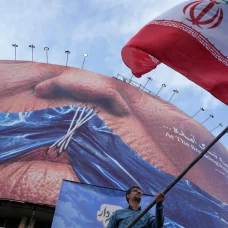
Iran has demanded US war reparations and sovereignty over the Strait of Hormuz in ongoing peace negotiations, demands that could escalate geopolitical tensions and significantly impact global oil markets and inflation. This development raises concerns about strategic stability in the Middle East and has immediate implications for energy prices and macroeconomic conditions affecting cryptocurrency and broader financial markets.
Iran's escalated demands in peace talks represent a significant shift in negotiating posture that threatens regional stability and global energy security. The assertion of sovereignty over the Strait of Hormuz—one of the world's most critical chokepoints through which roughly 21% of global petroleum passes—directly challenges the current international maritime framework. Combined with reparations demands, these positions signal Iran's willingness to leverage its geographic position and decades of grievances in negotiations, potentially triggering a hardening of positions from Western stakeholders.
Historically, tensions over the Strait have repeatedly created oil supply shocks. Previous incidents, including tanker seizures and threatened closures, have sent crude prices surging and created macroeconomic headwinds. The current demand represents an attempt to formalize control rather than exercise it through occasional provocations, suggesting deeper structural changes to the regional balance of power.
For cryptocurrency and financial markets, escalating Middle East tensions create both direct and indirect effects. Oil price volatility driven by geopolitical uncertainty typically correlates with broader risk-off sentiment, reducing appetite for risk assets including cryptocurrencies. Higher energy costs also fuel inflation concerns, affecting monetary policy expectations and real yields. Additionally, sanctions regimes or military actions could disrupt global supply chains and financial flows, creating volatility across all asset classes.
Monitoring the trajectory of these negotiations becomes crucial. Any military escalation or sanctions implementation would likely trigger significant market repricing, while successful de-escalation could provide relief to energy markets and reduce macroeconomic uncertainty that currently weighs on crypto valuations.
- →Iran demands US war reparations and control over the Strait of Hormuz, a critical global energy chokepoint
- →Escalating geopolitical tensions threaten oil supply stability and could trigger significant inflation pressures
- →Risk-off sentiment from Middle East tensions typically suppresses cryptocurrency valuations and increases volatility
- →Energy price shocks from regional instability directly affect macroeconomic conditions influencing central bank policy
- →Negotiation outcomes will determine whether markets face supply disruption risks or relief from de-escalation