
Iraq’s economic strain complicates US-Iran ceasefire prospects
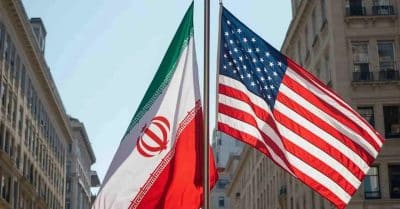
Iraq's deepening economic instability is undermining diplomatic efforts to establish a US-Iran ceasefire, as fiscal pressures limit the government's ability to mediate regional tensions. The country's financial constraints reduce incentives for peaceful resolution and increase the risk of prolonged conflict in a strategically critical region.
Iraq's economic deterioration represents a critical destabilizing factor in Middle Eastern geopolitics with ripple effects across global markets. The nation faces mounting fiscal pressures from currency depreciation, inflation, and declining oil revenues, constraining its capacity to function as a neutral mediator between US and Iranian interests. This economic weakness directly undermines ceasefire negotiations because a fiscally stressed government lacks the leverage and resources to enforce agreements or provide guarantees to either party.
Historically, Iraq has served as a buffer state in US-Iran tensions, but its economic collapse since the 2003 invasion has left it vulnerable to pressure from both powers. The country's dependence on oil exports and foreign investment makes it susceptible to geopolitical leverage, while domestic instability empowers non-state actors and militias less interested in diplomatic solutions. Regional actors perceive Iraq's weakness as an opportunity rather than a liability, incentivizing military posturing over negotiation.
For investors and market participants, prolonged Middle Eastern conflict carries significant consequences. Geopolitical instability typically elevates crude oil price volatility, affecting energy markets and inflation expectations globally. For cryptocurrency markets specifically, elevated geopolitical risk often drives capital toward alternative assets perceived as hedges against currency debasement and macro uncertainty, potentially benefiting crypto holdings during extended conflict periods. However, the broader economic contraction in Iraq and surrounding regions could reduce purchasing power for crypto adoption in emerging markets.
Monitoring Iraq's fiscal trajectory and ceasefire progress remains essential. Deterioration could trigger broader regional escalation, while stabilization might signal improved diplomatic prospects and reduced macro uncertainty.
- →Iraq's economic instability directly undermines its ability to mediate US-Iran tensions and enforce ceasefire agreements.
- →Fiscal constraints limit the Iraqi government's leverage with both the US and Iran, reducing diplomatic incentives.
- →Regional instability typically increases crude oil price volatility, affecting global energy markets and inflation expectations.
- →Prolonged conflict may drive some capital toward cryptocurrencies as macro hedges, though emerging market adoption could suffer from economic contraction.
- →Investors should monitor Iraq's fiscal health and ceasefire developments as early indicators of broader Middle Eastern escalation risk.