
Israel expands operational zone in Lebanon amid heightened tensions
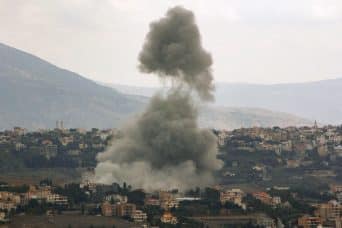
Israel has expanded its military operational zone in Lebanon amid escalating regional tensions, potentially undermining ongoing diplomatic efforts and ceasefire negotiations. The military escalation raises concerns about sustained regional instability despite relatively optimistic ceasefire prospects.
Israel's expansion of military operations in Lebanon represents a significant shift in regional dynamics that extends beyond traditional geopolitical analysis into macro market territory. Military escalations in the Middle East historically trigger flight-to-safety dynamics, where investors shift capital toward traditional safe-haven assets like U.S. Treasuries, gold, and established cryptocurrencies such as Bitcoin. This particular development matters because it signals a disconnect between diplomatic channels and ground-level military posturing, suggesting that ceasefire negotiations may face substantial headwinds despite official optimism.
The broader context reveals a pattern of tit-for-tat escalations between Israeli and Lebanese forces, with previous ceasefires repeatedly tested by military actions on both sides. This cycle suggests that diplomatic agreements alone may lack enforcement mechanisms or sufficient trust between parties. The expansion of operational zones typically precedes either major military campaigns or serves as leverage in negotiations, creating uncertainty about the trajectory of regional stability.
For cryptocurrency and digital asset markets, geopolitical crises act as sentiment indicators and volatility accelerators. Risk-averse capital allocation tends to emerge during periods of heightened conflict, potentially dampening speculative inflows into altcoins while supporting Bitcoin's narrative as a geopolitical hedge. However, sustained regional conflict without direct impact on global supply chains or Western interests typically produces temporary volatility rather than structural market disruption.
Investors should monitor ceasefire timeline announcements and any escalation beyond current boundaries, as direct involvement of major powers would materially shift market risk premiums and capital flows toward defensive positioning.
- →Israel's expanded military operations in Lebanon undermine diplomatic momentum despite stated ceasefire optimism.
- →Geopolitical escalations typically trigger flight-to-safety dynamics favoring Bitcoin and traditional safe havens over altcoins.
- →Historical patterns show Lebanese-Israeli ceasefire agreements face persistent enforcement challenges from ground-level military actions.
- →Regional instability creates near-term volatility but lasting market impact depends on whether conflict spreads to major global powers.
- →Investors should monitor official ceasefire announcements and boundary expansions as key risk indicators for portfolio positioning.