
Israeli strikes kill four paramedics in south Lebanon amid Hezbollah conflict
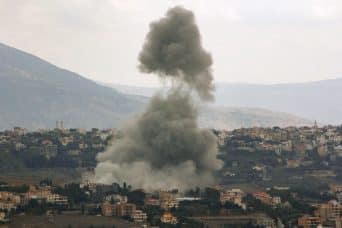
Israeli military strikes killed four paramedics in southern Lebanon, escalating tensions in the Israel-Hezbollah conflict and complicating ceasefire negotiations. The incident raises questions about Israel's commitment to de-escalation and increases the risk of further conflict expansion in the region.
The killing of four paramedics by Israeli strikes represents a significant escalation in the Israel-Hezbollah conflict with broader geopolitical implications. Targeting emergency medical personnel—individuals typically afforded protected status under international humanitarian law—signals either a breakdown in targeting discipline or a deliberate shift in operational strategy. This incident directly undermines ongoing ceasefire negotiations by demonstrating that civilian infrastructure remains vulnerable despite diplomatic efforts.
The conflict between Israel and Hezbollah has intensified over months of cross-border exchanges, with each side claiming defensive postures while civilian casualties mount. The paramedics' deaths represent collateral damage that complicates the narrative around proportionality and restraint that both parties claim to exercise. Regional actors, international mediators, and humanitarian organizations view such incidents as indicators of conflict trajectory and commitment to negotiated settlements.
For cryptocurrency and financial markets, geopolitical escalation in the Middle East traditionally creates macroeconomic uncertainty affecting risk asset valuations. Oil price volatility stemming from regional instability can influence broader market sentiment and cryptocurrency trading patterns, particularly during periods of elevated tensions. Investors monitor such developments as indicators of systemic risk and potential safe-haven demand shifts.
Looking ahead, the focus remains on whether this incident derails ceasefire talks or merely represents a tactical engagement within accepted conflict parameters. International pressure on Israel regarding civilian casualty prevention will intensify, potentially affecting diplomatic momentum. Market participants should monitor regional developments for signs of widening conflict that could trigger broader economic disruption.
- →Israeli strikes killed four paramedics in south Lebanon, violating traditional protections for emergency medical personnel.
- →The incident undermines ceasefire negotiations and raises doubts about Israel's commitment to de-escalation.
- →Middle East escalation typically increases oil volatility and risk-asset uncertainty affecting cryptocurrency markets.
- →International humanitarian concerns over civilian casualties will intensify diplomatic pressure on all parties.
- →Market participants should monitor for further regional escalation signals that could trigger broader economic disruption.