
Maersk advises avoiding Strait of Hormuz amid ongoing military threats
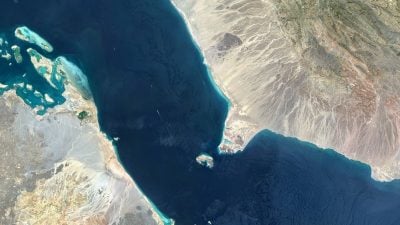
Maersk, the world's largest shipping company, has advised clients to avoid the Strait of Hormuz due to escalating military threats in the region. This advisory signals potential long-term disruptions to global shipping routes, which could destabilize international trade and impact economic forecasts across multiple sectors.
Maersk's guidance to avoid the Strait of Hormuz represents a significant escalation in shipping industry concerns regarding geopolitical risk. The Strait of Hormuz remains one of the world's most critical chokepoints, with approximately 21% of global petroleum passing through its waters daily. When a logistics giant of Maersk's scale issues such an advisory, it signals that security risks have moved beyond theoretical concerns into operational decision-making.
The broader context involves ongoing military tensions in the Middle East, which have periodically threatened maritime commerce. Historical precedent demonstrates that shipping route disruptions create cascading effects throughout supply chains, from energy prices to manufactured goods availability. The current advisory suggests these tensions have reached a threshold where major operators must actively reroute shipments, adding time and cost to global logistics networks.
For markets and investors, this development carries multiple implications. Elevated shipping costs directly increase inflation pressures on goods, potentially affecting central bank policy and equity valuations. Energy markets face particular exposure given Hormuz's role in petroleum transit. Cryptocurrency and DeFi markets typically correlate with broader macroeconomic uncertainty, and shipping disruptions that threaten inflation stability could drive volatility in these sectors as investors reassess risk assets.
The coming weeks will reveal whether other major shipping operators adopt similar precautions, which would signal broader industry consensus on the severity of threats. Extended route avoidance could necessitate infrastructure investments in alternative shipping corridors and permanently alter global supply chain structures. Market participants should monitor both geopolitical developments and shipping cost indices as early indicators of economic stress.
- →Maersk's Strait of Hormuz advisory reflects elevated military threats to a critical global shipping chokepoint handling 21% of daily petroleum commerce.
- →Rerouting around the Strait increases shipping costs and delivery times, creating upward pressure on inflation across supply chains.
- →Prolonged disruptions could permanently alter global logistics structures and increase operational costs for importers and exporters.
- →Macroeconomic stress from shipping disruptions typically increases volatility in risk assets including cryptocurrencies and equities.
- →Other major shipping operators' responses to this advisory will indicate whether industry-wide route changes are imminent.