
Meta builds photorealistic AI Zuckerberg to engage employees in real time
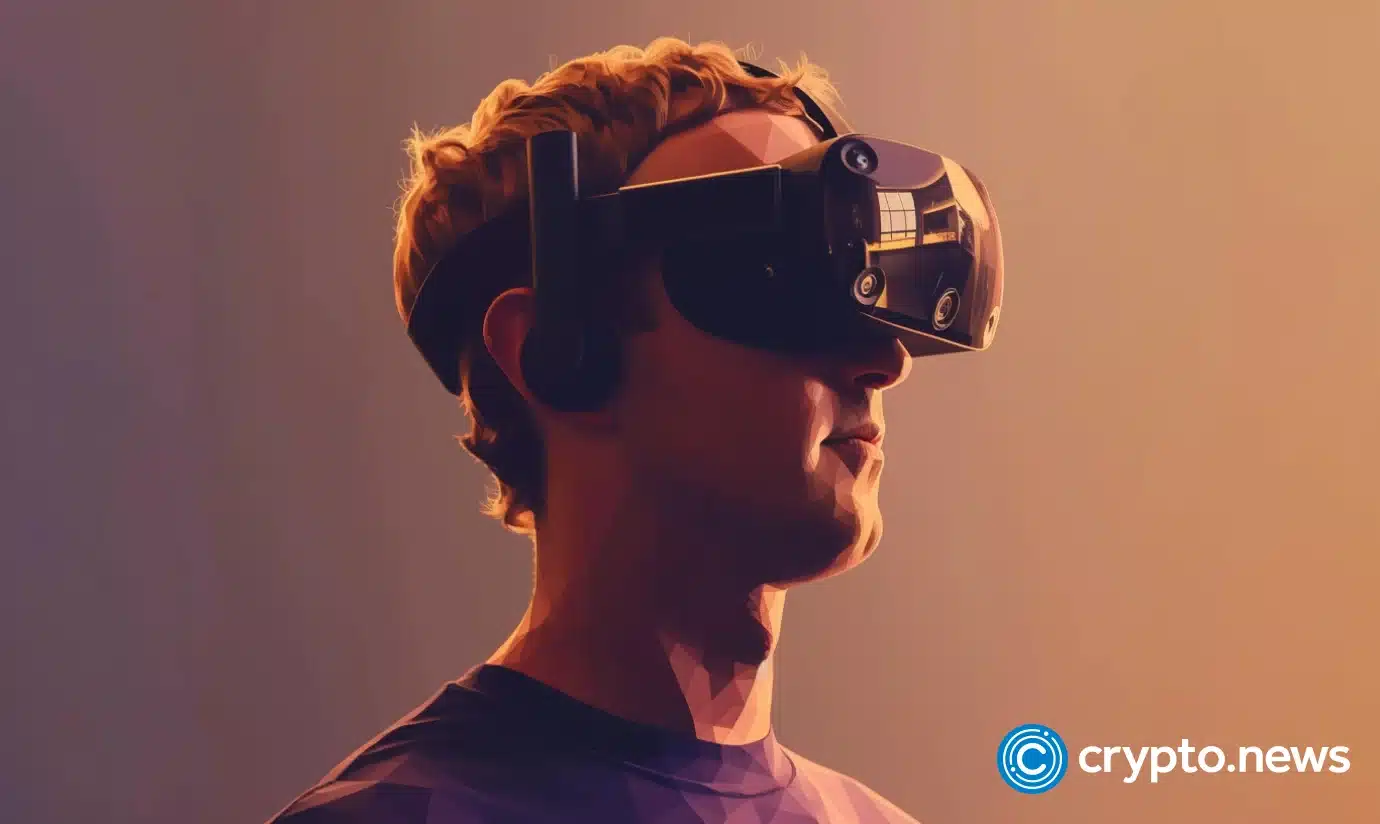
Meta is developing a photorealistic AI avatar of Mark Zuckerberg to enable real-time communication with employees without his physical presence. The project represents Meta's investment in AI-driven workplace technology and digital representation, expanding beyond traditional video conferencing solutions.
Meta's creation of a photorealistic AI Zuckerberg avatar signals the company's commitment to advancing digital presence technology in enterprise communication. This development leverages generative AI and computer vision to create a convincing virtual representation capable of real-time interaction, moving beyond static deepfakes or pre-recorded messages. The project demonstrates practical applications of photorealistic AI beyond entertainment or social media filters, positioning it as a workplace productivity tool.
This initiative aligns with Meta's broader pivot toward AI infrastructure and metaverse-adjacent technologies following the company's massive investment in Reality Labs. The timing reflects industry-wide momentum in generative AI adoption, where companies explore ways to automate communication and presence, particularly relevant in hybrid work environments. Meta's scale and technical resources position it uniquely to develop such technology, though similar experiments with CEO avatars have appeared elsewhere in tech.
The business implications span multiple directions. For Meta, this represents intellectual property development in AI representation technology with potential licensing or enterprise applications. For the broader workplace technology market, successful deployment could influence how companies approach executive communication, delegation, and asynchronous interaction at scale. However, the project also raises questions about authenticity, worker perception, and whether automated leadership presence enhances or diminishes organizational culture.
Looking ahead, success metrics will determine whether this becomes a genuine productivity tool or remains experimental. Key factors include employee reception, accuracy of avatar behavior, and whether other enterprises adopt similar technology. The project also invites regulatory scrutiny around AI-generated media and workplace surveillance implications.
- →Meta develops photorealistic AI avatar of Mark Zuckerberg for real-time employee communication without physical presence
- →Project demonstrates practical enterprise applications of generative AI beyond entertainment or social media contexts
- →Technology aligns with Meta's broader AI infrastructure investments and evolving workplace communication strategies
- →Initiative reflects industry-wide adoption of AI-driven productivity tools in hybrid and remote work environments
- →Success could influence broader enterprise adoption of CEO avatars, raising questions about authenticity and workplace culture