
Meta Is Warned That Facial Recognition Glasses Will Arm Sexual Predators
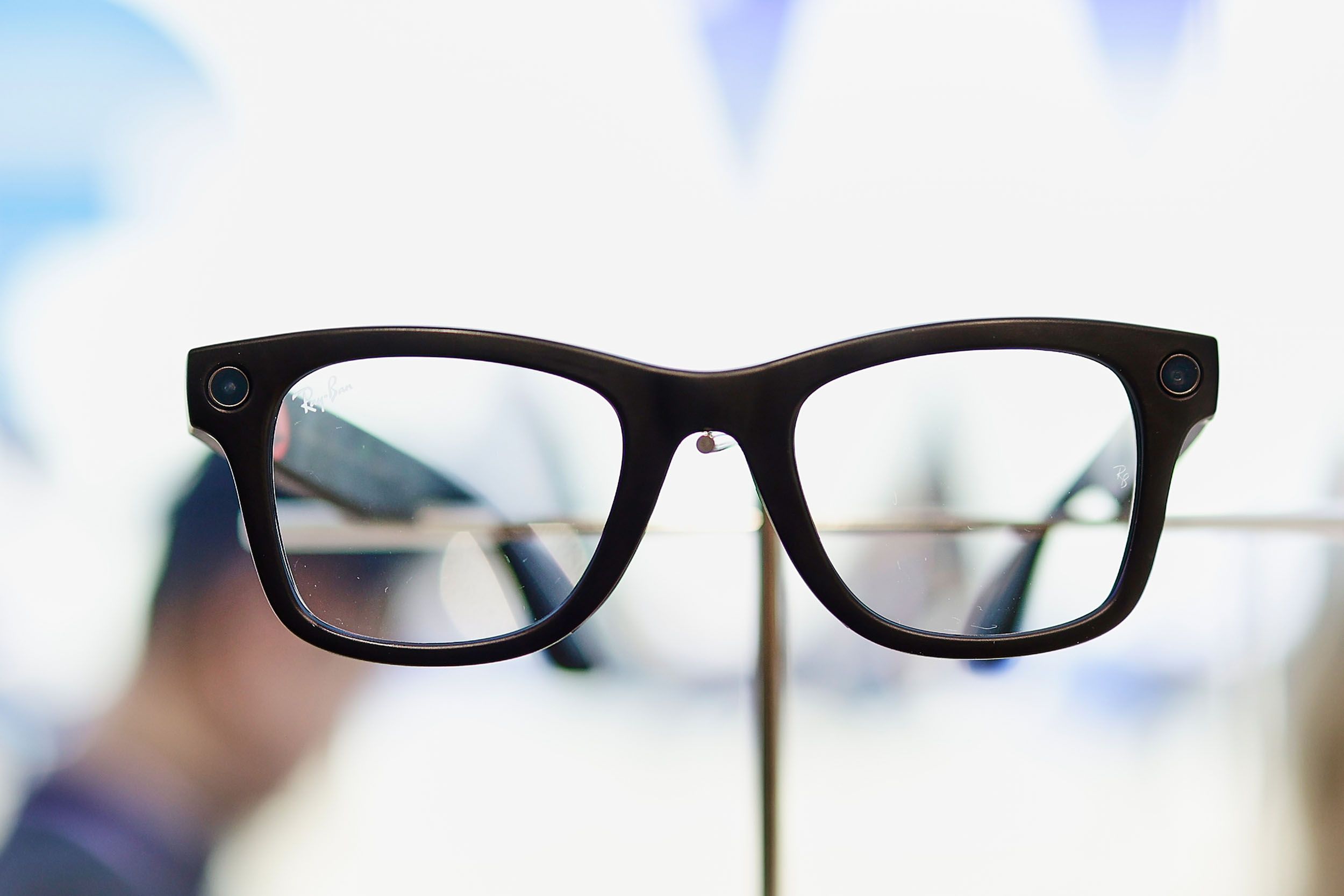
Over 70 civil rights organizations, including the ACLU and EPIC, have formally warned against Meta's facial recognition technology in smart glasses, citing serious risks to vulnerable populations including abuse victims, immigrants, and LGBTQ+ individuals. The coalition argues the AI feature could enable stalking, harassment, and discrimination at scale.
Meta's proposed facial recognition capabilities for smart glasses have triggered significant pushback from a broad coalition of civil rights advocates. The warning reflects growing concerns about surveillance technology that can identify individuals in public spaces without consent, potentially weaponizing everyday consumer hardware for malicious purposes. This development matters because it exposes the tension between technological innovation and fundamental privacy rights.
The controversy fits within a larger pattern of regulatory scrutiny around AI applications. Facial recognition systems have faced criticism globally due to accuracy disparities across demographics and their documented misuse in law enforcement. Consumer-grade facial recognition integrated into wearable devices amplifies these concerns by distributing surveillance capability to ordinary users rather than centralizing it with institutions subject to some oversight.
For the tech industry and investors, this coalition letter signals that regulatory barriers to facial recognition products may intensify. Meta faces potential legal challenges and legislative restrictions that could delay or prevent the feature's rollout, affecting product roadmap credibility and shareholder confidence. Companies developing AI-powered surveillance or identification tools now face clearer signals that market adoption will meet organized resistance from advocacy groups with political influence.
Looking ahead, the focal point is whether regulators heed these warnings and implement restrictions. The outcome will likely establish precedent for how consumer AI devices incorporating biometric identification are governed, potentially shaping product development across the entire hardware industry.
- →Over 70 civil rights organizations oppose Meta's facial recognition glasses, citing risks to vulnerable populations
- →The technology could enable large-scale stalking and harassment of abuse victims and marginalized groups
- →Facial recognition in consumer wearables represents a new frontier in surveillance that bypasses traditional institutional gatekeepers
- →Regulatory and legislative action is likely, which could delay product launches and set precedent for the industry
- →The controversy highlights the growing conflict between AI innovation and privacy protection in consumer technology