
Musk to speak at ASML event ahead of SpaceX IPO, teasing $55B chip megafactory
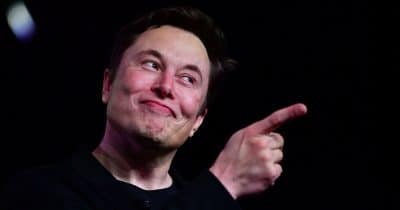
Elon Musk is scheduled to speak at an ASML event while signaling plans for a $55 billion semiconductor manufacturing facility called Terafab. The initiative aims to vertically integrate chip production for SpaceX and potentially reshape global semiconductor supply chains by reducing dependence on external foundries.
Musk's Terafab announcement represents a significant shift in how major technology companies approach semiconductor sourcing. Rather than relying on third-party foundries like TSMC or Samsung, Musk is proposing to build domestic manufacturing capacity that could serve SpaceX's satellite and aerospace needs while potentially supporting broader technology initiatives. This vertical integration strategy echoes historical patterns where companies controlling their supply chains gain competitive advantages in both cost and availability.
The $55 billion investment scale signals serious commitment, though the semiconductor industry has historically struggled with domestic capacity expansion due to extreme capital requirements and technological barriers. Musk's involvement with ASML—the Dutch company that manufactures critical lithography equipment—suggests he is engaging directly with foundational infrastructure providers rather than attempting independent chip fabrication from scratch.
For the cryptocurrency and blockchain sectors, this development holds indirect but meaningful implications. Cryptocurrency mining, AI inference, and blockchain validation all depend on semiconductor availability and cost. A new domestic megafactory could theoretically improve supply chain resilience and reduce price volatility in specialized chips used for computing-intensive applications. However, SpaceX-focused production priorities mean initial benefits may not immediately extend to crypto or AI markets.
The timing coincides with SpaceX IPO speculation, suggesting Musk may be positioning the company as more vertically integrated and self-sufficient—an attractive narrative for public market investors. Regulatory approval for such a facility and actual production timelines remain uncertain, making execution risk substantial.
- →Musk's Terafab initiative targets $55 billion investment in domestic semiconductor manufacturing to reduce external foundry dependence
- →Vertical integration of chip production could improve supply chain resilience for SpaceX and related technology ventures
- →ASML partnership indicates engagement with critical lithography equipment suppliers rather than building from first principles
- →Potential indirect benefits to crypto and AI sectors through improved semiconductor availability, though SpaceX priorities come first
- →Execution risk remains high given semiconductor industry capital intensity and complex regulatory approval requirements