
Oil prices dip as US-Iran ceasefire talks show progress
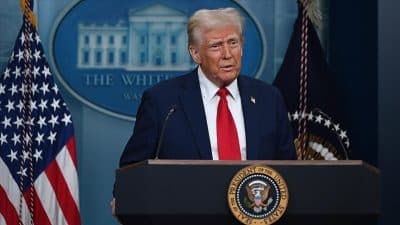
US-Iran ceasefire negotiations are progressing, leading to a dip in oil prices as markets anticipate reduced geopolitical tension. The potential stabilization of oil markets could have cascading effects on global supply chains and energy-dependent sectors, with indirect implications for cryptocurrency and macroeconomic conditions.
Progress in US-Iran ceasefire talks represents a significant shift in Middle Eastern geopolitical dynamics that directly impacts commodity markets. Oil prices have declined in response to reduced tension, signaling market confidence that a diplomatic resolution could prevent further supply disruptions. This development matters because crude oil markets are deeply integrated with global economic stability—any reduction in geopolitical risk typically leads to lower energy costs and potentially lower inflation expectations.
Historically, US-Iran tensions have created volatility across multiple asset classes. Previous escalations triggered oil price spikes, which fed into broader inflationary pressures affecting central bank policy and cryptocurrency valuations. The current ceasefire progress suggests a deescalation from this pattern. Oil prices serve as a leading indicator for macroeconomic conditions; lower energy costs could reduce pressure on inflation and potentially shift monetary policy expectations, which indirectly influences risk asset demand, including cryptocurrencies.
For crypto markets and investors, stabilized oil prices reduce macroeconomic uncertainty and could support more predictable central bank behavior. Lower energy costs may also benefit miners and blockchain validators whose operational expenses are tied to electricity prices. However, the relationship is nuanced—while lower oil prices can ease inflation concerns, they may also reduce safe-haven demand for alternative assets like Bitcoin.
Investors should monitor the trajectory of these talks and watch for any reversals that could reignite oil volatility. The broader implication is that geopolitical de-escalation tends to favor risk assets when paired with stable macroeconomic conditions, making this development worth tracking for its potential to influence crypto market dynamics.
- →US-Iran ceasefire progress is depressing oil prices, reducing immediate geopolitical risk premiums in energy markets
- →Lower crude oil costs could ease inflation pressures and influence central bank policy decisions that affect crypto valuations
- →Energy cost reduction benefits cryptocurrency miners and validators with lower operational expenses
- →The development reduces macroeconomic uncertainty, potentially supporting demand for risk assets including digital currencies
- →Geopolitical de-escalation typically strengthens cryptocurrency markets when paired with stable economic conditions